Black History Month is "outdated", says south-east London theatre producer
Onwugbonu, who has produced shows across the capital, told Politics London that the yearly event risked turning black history into a topic that only warranted attention for one month. She said: "Obviously it was begun as a way of celebrating us, but it's now become a token of a time where we bring…
Helen Drew (Politics London) Updated 25 nov
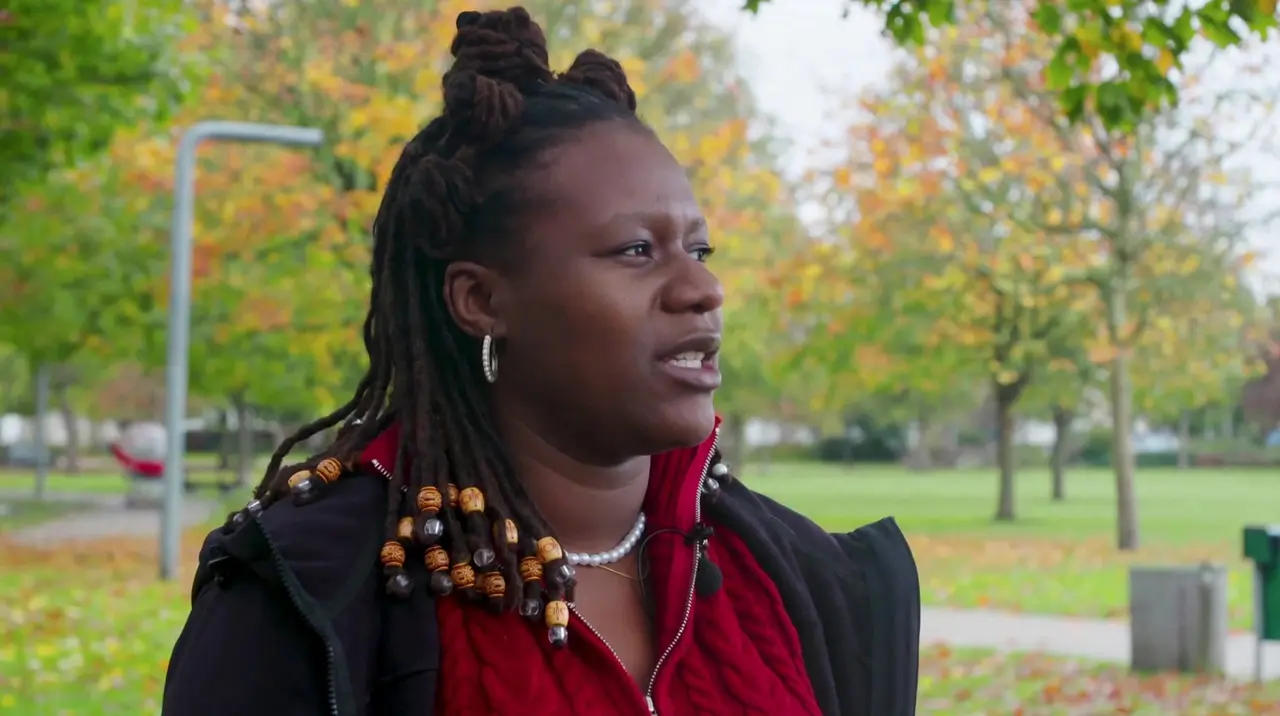
Onwugbonu, who has produced shows across the capital, told Politics London that the yearly event risked turning black history into a topic that only warranted attention for one month. She said: "Obviously it was begun as a way of celebrating us, but it's now become a token of a time where we bring these people up just for a month and then it disappears for the rest of the year."
She also said she had met with a lack of respect in the arts industry, which she described as predominantly white in many of the spaces where she has worked. "Entering these spaces as a director, producer, writer, I'm often at the top of the food chain, as you'd call it, in the arts. But the respect that I get is never at the same levels as some of my counterparts," she said.
Film sets, she added, were frequently predominantly white both on and off screen, an issue she said the industry was still attempting to tackle.
Her mother is Jamaican and her father Nigerian, and her grandparents came to the UK as part of the Windrush generation.
Black History Month began in the US in 1926 as Black History Week, launched by the historian Carter G Woodson to promote the study of black history. It was first celebrated in the UK in 1987, organised by Ghanaian-born Akyaaba Addai-Sebo to challenge racism and celebrate black people's history.
Wales made history in 2022 by becoming the first UK nation to introduce compulsory education on black history and diverse backgrounds, but Onwugbonu believes schools across the country still have a long way to go in how they frame the narrative. She said: "When we go into workshops and into schools with [anti-racism charity] Poetic Unity, we ask them, 'What do you know about black history?" And the first answer they say is 'slavery.'"
Onwugbonu said Africans were the first to populate the earth, adding: "And so, our history begins way before slavery and exists way after slavery."
Source: