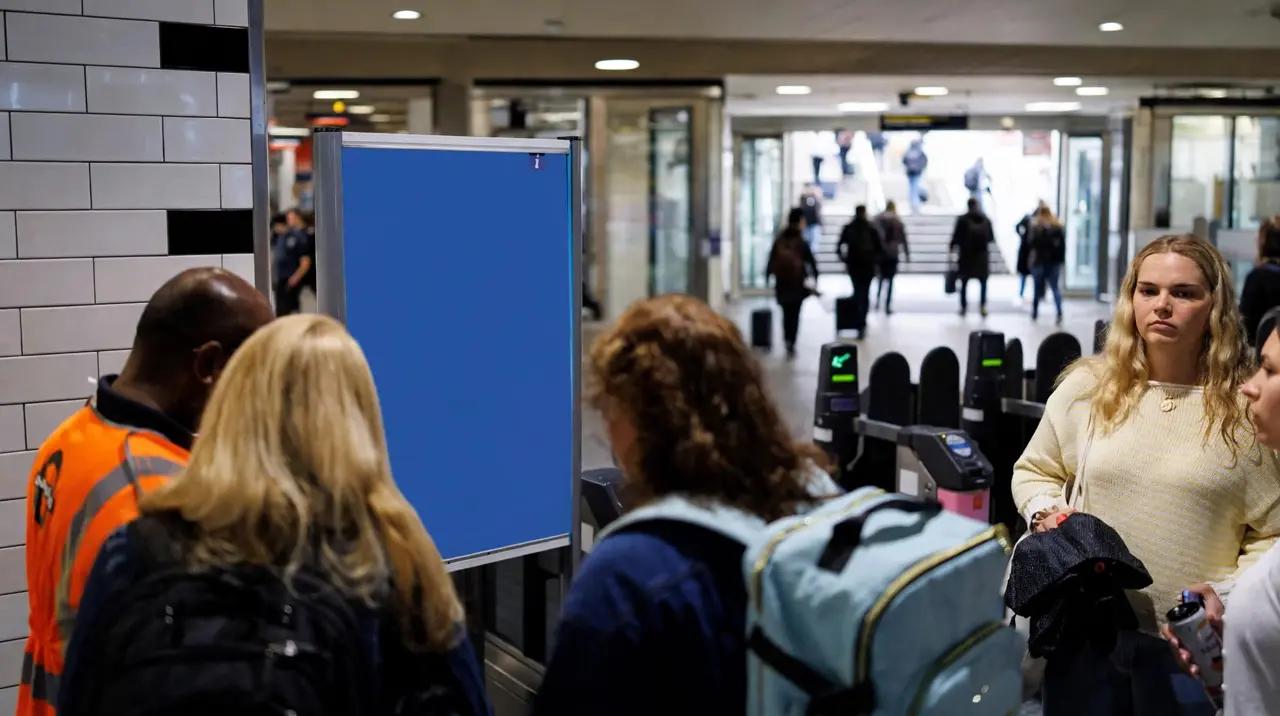
Report urges taskforce to boost employment for people with sight loss
A government taskforce should be set up to help blind and partially sighted people enter employment, according to a new report.
Thomas Magill (London) Updated 25 nov
A government taskforce should be set up to help blind and partially sighted people enter employment, according to a new report.
The Out of Sight – Out of Work report found that 73% of blind and partially sighted working-age people in the UK are not employed, compared with 17% of the non-disabled population.
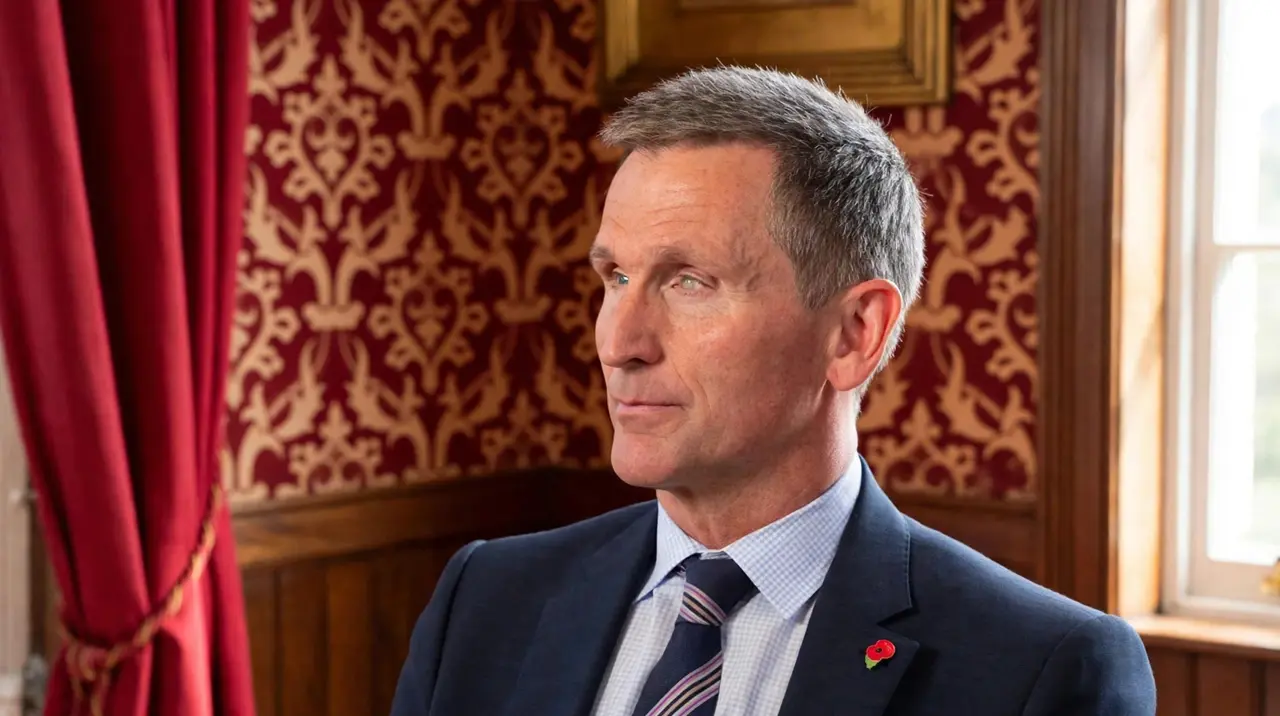
Its author, Lord Holmes of Richmond, who lost his sight in childhood, said: "The most important thing we need from government is clear leadership and a commitment to establish a taskforce."
The Department for Work and Pensions (DWP) has stated that it wants every visually impaired person able to work to receive the necessary support.
Willow Horner is among the thousands of visually impaired jobseekers. She recently finished an internship arranged by the national sight loss charity the Thomas Pocklington Trust in central London.
The trust's Get Set Progress programme, created in partnership with the Royal National Institute of Blind People, has arranged around 150 internships.
Horner, who uses a cane, said she wants a career in marketing or communications and hoped the nine-month placement would improve her prospects of finding a job. She had been out of work for a year before joining the scheme.
"Since finishing the internship in July, I've done roughly 40 applications and I've had one interview," she said.
She described the recruitment process and the use of AI as difficult, adding that employers should approach hiring people with sight loss with an open mind.
"The main thing you come up against is that someone just doesn't know enough about visually impaired people in the workplace and what that actually looks like," she said.
"They [employers] can't get over their preconceived notions of what visually impaired people in the workplace might look like and the effort they might have to put in."
Lord Holmes said the report identified a number of obstacles facing blind and partially sighted people seeking work: policy, funding and accountability; employer practices, recruitment processes and workplace issues; data and measurement; and technology.
He argued these barriers require urgent attention so that everyone can benefit and the employment gap can be closed.
"Imagine if they were enabled and impowered to be in employment," he said. "That is adding to our economy, productivity, GDP and reducing welfare benefits.
"These are individuals who want to work and who have skills and talent to bring. This is such a waste of talent."
Bradley Tomsett, from Greenwich, has been searching for a position where he can apply his computer skills. Like Horner, he uses a cane and completed the internship in July, after which he struggled to find work.
"I have applied for between 40 and 50 jobs since the internship and I've had five interviews," he said.
"Using my cane to get out and about to give me stability when going to interviews, it can put an employer off or they could make an unconscious judgement."
Tomsett said that before the internship he had been unable to secure any interviews, in contrast to his situation now.
Both Tomsett and Horner said they are determined to stay positive about finding work.
Josh Feehan, who manages the internship scheme at Thomas Pocklington Trust, said it offers a paid chance to "gain skills, confidence and experience".
The trust also works with businesses to help them welcome and support visually impaired staff.
"We do a lot of work with employers and provide training with their staff to make sure they feel comfortable," Feehan said.
"We also look at their recruitment processes including their website to make sure that's accessible and provide advice and guidance around reasonable adjustments."
According to the DWP, the Access to Work scheme can cover the cost of specialist equipment and assistive software, as well as support workers such as a job coach or a travel buddy. It can also help with commuting costs for people who cannot use public transport.
The department added: "We are investing £3.5bn in disability employment support, including support for blind and partially sighted people to fulfil their potential."
Listen to the best of BBC Radio London on Sounds and follow BBC London on Facebook, X and Instagram. Send your story ideas to [email protected]
Source: