London Tube strikes: Dates, disruption and what the dispute is about
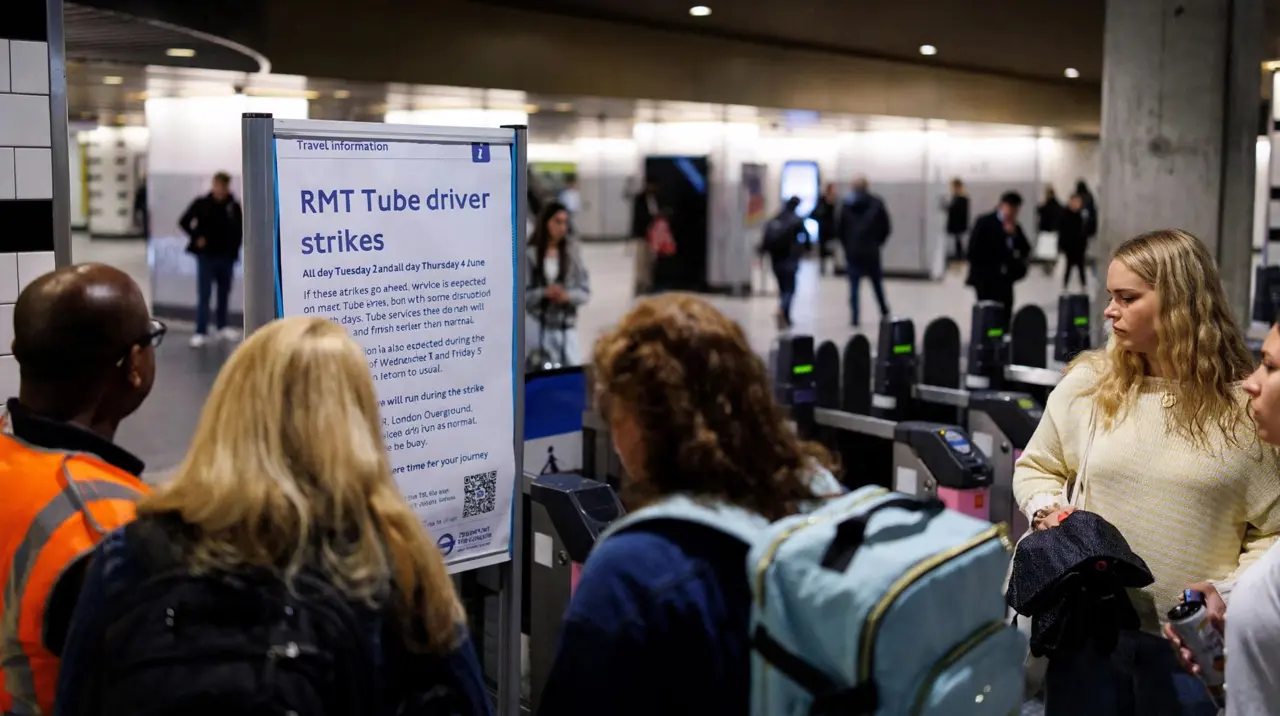
A total of eight more days of strike action are scheduled from 26 November through to the new year, as London Underground drivers continue their dispute with Transport for London (TfL) over planned alterations to working patterns.
Updated 25 nov
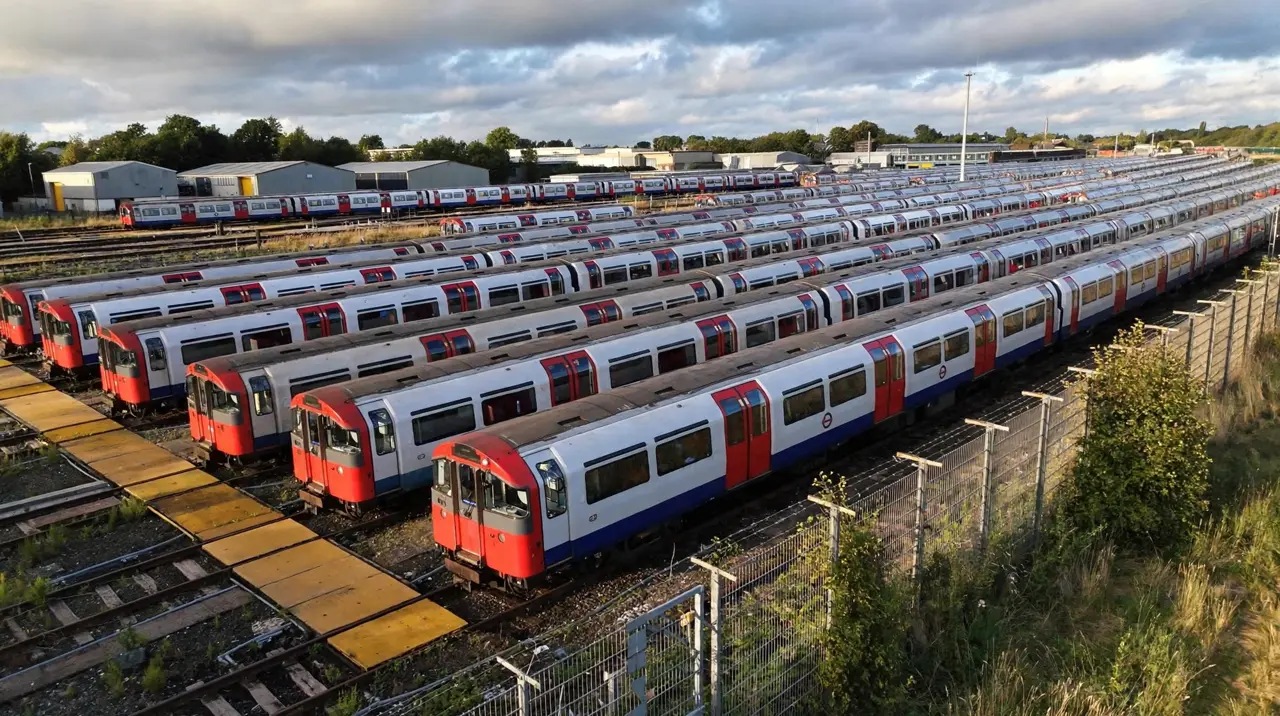
A total of eight more days of strike action are scheduled from 26 November through to the new year, as London Underground drivers continue their dispute with Transport for London (TfL) over planned alterations to working patterns.
The Rail, Maritime and Transport (RMT) union had already organised four days of strike action across April and June this year.
At the centre of the disagreement is the proposed voluntary move to a four-day working week with condensed hours.
Eddie Dempsey, the RMT's general secretary, said: "RMT is not opposed to a genuine four-day working week that benefits our members, but we will not accept it being used as a vehicle for job cuts, intensified working and the erosion of terms and conditions."
When is the next Tube strike?
The next round of 24-hour walkouts is due to start at noon on the following dates:
Thursday 26 November
Thursday 17 December
Saturday 19 December
Monday 4 January
Wednesday 6 January
Wednesday 17 February
Tuesday 23 February
Thursday 25 February
A standard service is anticipated until roughly 10:00 GMT on Thursday 26 November, after which Tube services begin to reduce.
From midday, some Tube services are expected to operate, though every line will face disruption.
No service is anticipated on the Circle or Piccadilly lines for the whole day, or on the Waterloo & City line after midday.
On Friday, services are set to begin later than usual, with disruption on all lines until around midday.
Disruption will then continue through the afternoon and evening, with services returning to normal by about 18:00.
How much disruption did the last strikes cause?
During the June strikes, TfL suspended services on the Circle and Waterloo and City lines, while the Piccadilly, Metropolitan and Central lines suffered major disruption - although 90% of Jubilee line services ran.
Services began late and ended early, with no trains running before 06:30 BST or after 21:00 on most lines.
On the Thursday of the June strike, Tube journeys dropped by 40%, bus usage climbed 4%, London Overground journeys increased by 4% and Elizabeth line journeys rose by 18%, according to TfL.
The DLR registered a 7% increase in journeys, cycling grew by 22% and roads were 10% busier.
Only RMT members among the drivers would take part in the walkout - approximately half of the network's total driver numbers.
Aslef's involvement in last year's strike, held alongside the RMT, brought almost all Underground services to a halt.
What are the strikes about?
The RMT union turned down an offer allowing drivers to opt into a four-day week.
Dempsey said: "There is nothing voluntary about a scheme that forces drivers to give up existing protections whether they work four days or five, and threatens those who refuse with displacement from their depots."
Under the proposals, most drivers would move from a 36-hour week to a 35-hour week. Their contractual hours would stay unchanged because paid meal breaks would be introduced.
In practice, this means longer days on duty, but fewer days per week and fewer total hours each week.
Dempsey added: "Our members are being asked to spend more time driving trains, accept longer and more unpredictable shifts and surrender agreements that have been negotiated and defended over many years."
The RMT union argued the working day would be excessively long under the plans, raising the risk of driver fatigue and undermining safety.
Instead, the union is calling for a 32-hour week spread over four days, which would mean drivers work three fewer hours each week for the same pay.
TfL said drivers who preferred a five-day week could stay on it, stressing that the change is voluntary.
A spokesperson for Aslef, which represents a slightly larger proportion of Tube drivers, previously said they were "surprised that the RMT has decided to take this action".
Over half of Tube drivers - including Aslef members - turned up for work during the June strike after accepting the proposals, describing them as "exactly the sort of deal every trade union should be trying to achieve".
Aslef has backed the voluntary compressed four-day week, stating it gives participating drivers an additional 35 days off annually "in return for some fairly minor changes to working conditions".
"It will be the first strike in the history of the trade union movement designed to stop people having a shorter working week and more time off," Aslef's spokesperson added.
An RMT spokesperson said: "We have a different perspective from Aslef."
Nick Dent, director of customer operations for London Underground, said the organisation believed the "majority" of the RMT's concerns had been addressed, and encouraged the union to put the proposal to its members.
"In the meantime, we are asking customers to check before they travel and allow extra time for their journeys during this strike action," he said.
Negotiations intended to prevent the strikes were held on Tuesday 24 November, but no resolution was reached.
Could there be more strikes?
The union has previously said TfL had refused to "engage meaningfully" on members' concerns, including fatigue and longer shifts.
A TfL spokesperson said the proposals are voluntary, adding: "Any suggestion otherwise is misleading the public in order to justify strike action over proposals that would give Tube drivers more time off and create a more modern, efficient Tube service."
The mayor of London said the Tube strikes had a "serious impact on Londoners, businesses and commuters" and urged TfL and the RMT to restart talks.
London Underground drivers also took strike action in September last year in a dispute over pay and conditions.
That industrial action severely disrupted the capital's transport network, with many Londoners travelling by e-bike instead.
Listen to the best of BBC Radio London on Sounds and follow BBC London on Facebook, X and Instagram. Send your story ideas to [email protected]
Source: