Mayor gains expanded authority over licensing decisions
The Mayor of London has received new authority to step into specific licensing decisions. From Monday, Sadiq Khan may take over applications judged to be of strategic importance to the capital, overturn council decisions and issue the final ruling.
Amy Clarke (London) Updated 25 nov
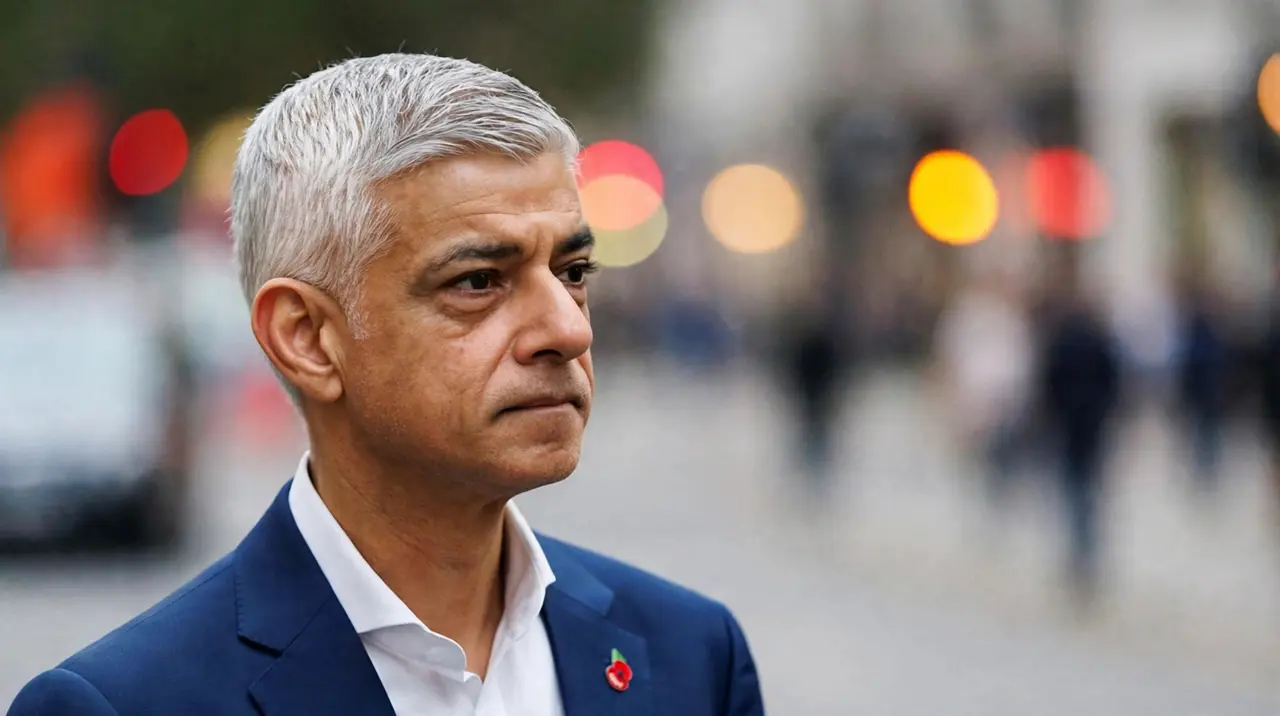
The Mayor of London has received new authority to step into specific licensing decisions. From Monday, Sadiq Khan may take over applications judged to be of strategic importance to the capital, overturn council decisions and issue the final ruling.
Lord Khan stated that the "new licensing powers create an opportunity to further champion London's amazing venues, particularly our hospitality industry".
Those opposed maintain that the measures, which extend to large venues, live music, later opening hours, festivals and major events, would remove decisions from the hands of local authorities. Lord Khan's justification is that licensing rules and procedures for London's nightlife currently vary between boroughs.
City Hall explained that the reform is intended to back the sector and establish "a more strategic and consistent approach to licensing".
As part of the broader package, councils will be required to consult the mayor when updating licensing policies, and City Hall gains the ability to lodge formal representations on applications. The mayor may also establish a London-wide Strategic Licensing Policy, with a final version anticipated later this year after a public consultation.
According to Lord Khan, the policy would let him support venues that matter to London's economy while safeguarding local communities. He said: "From today, thanks to the government, I can step in and make decisions on licensing applications of particular importance for our economy, reputation and nightlife," he said. "As mayor I have always tried to be pro-jobs and pro-business and I'm determined to build on this."
Kate Nicholls, chair of UKHospitality, described the change as "a significant moment for London's world-class hospitality sector" and said it would help an industry that employs around half a million people in the capital. She added: "We look forward to working with the mayor to deliver on his commitment to support the hospitality sector in London."
Others contend the move conflicts with the government's devolution agenda, set out in last week's Budget, which seeks to bring authority and decisions nearer to communities. London Councils has broadly endorsed that roadmap, which would hand London more control over funding such as business rates and income tax revenues, while insisting boroughs stay at the centre of decision-making.
Kam Rai, deputy chair of London Councils, said: "Devolution should come as close as possible to communities." He added that boroughs should be "equal partners" with the mayor in decisions over devolved funding.
'Power shift'
Tim Barnes, deputy leader of Westminster City Council and councillor for the West End ward, said the new powers would move authority from councils to City Hall. "Devolution means taking power down so it's closer to the people," he said. "This is taking powers that the council has and taking them upwards into the mayor.
"There is no reason for doing it."
Applications labelled "strategic", and therefore open to being called in by the mayor, might encompass large venues, festivals and major events with a notable effect on London's economy, culture or reputation. Barnes said the "strategic" label could apply to "nearly 80%" of licensed premises in Westminster.
He characterised the change as "much more like a land grab by the mayor to try and to try and take control of ever more things into his empire rather than a use of any powers that actually is trying to solve a problem".
Barnes also questioned the practical impact, pointing out that Westminster approves roughly 98.5% of valid licensing applications. He said the mayor would remain bound by the same licensing objectives as councils, and argued that difficulties in busy nightlife districts such as the West End stem less from licensing rules than from insufficient police presence and resources for managing crowds and anti-social behaviour.
Jason Perry, London Councils' executive member for planning, infrastructure and regeneration, said the organisation was "concerned the new strategic licensing powers use a definition of 'strategic importance' that is too broad". Echoing Barnes on resources, he said "the introduction of the new powers will bring additional burdens to boroughs at a time when resources are already stretched".
London Councils also called for "transparency" from the mayor and GLA regarding how applications are selected for call-in under the "wide-ranging definition".
Additional reporting by Lauren Stanley
Listen to the best of BBC Radio London on Sounds and follow BBC London on Facebook, X and Instagram. Send your story ideas to [email protected]
Source: