Dumpster divers: from scooters to shampoo, the thrifty hunters saving hundreds
Darryl Baker was startled to find mounds of clothes abandoned beside the recycling bins outside the supermarket near her home. On repeated trips to the dumpsters she has also come across other items, among them "a perfectly decent" Ikea picture frame and children's scooters.
Chris Marshall (Business reporter) Updated 25 nov
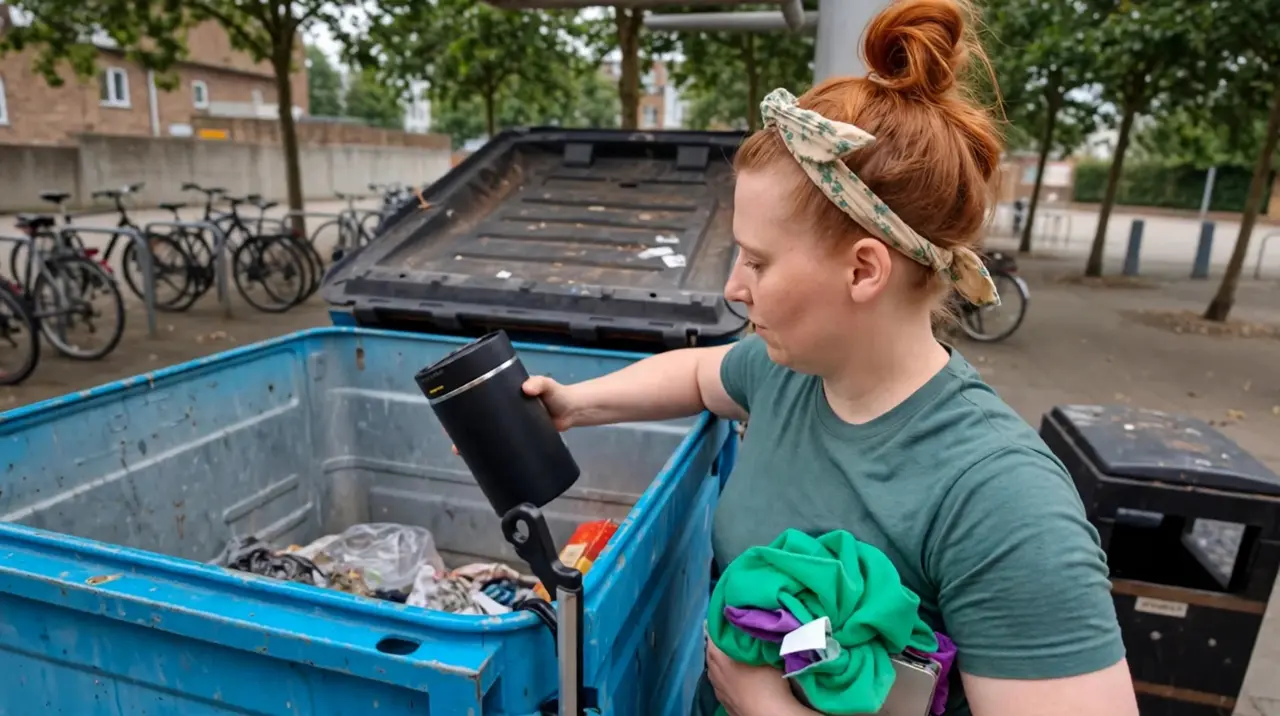
Darryl Baker was startled to find mounds of clothes abandoned beside the recycling bins outside the supermarket near her home. On repeated trips to the dumpsters she has also come across other items, among them "a perfectly decent" Ikea picture frame and children's scooters.
Keen to save money and dismayed by the waste, the mother of two from north London asked the store's staff whether she could take some of it away. With permission granted, "I got my children entire new wardrobes," says Darryl, 39, who adds that she has stashed items away for years to come.
Over a six-month spell this year, "I have probably saved hundreds of pounds," says the freelance journalist. She lists the labels she has rescued - Ralph Lauren, Nike and The North Face among them. "My mind was blown," she says. "This stuff is just strewn all over the floor."
Besides clothing for her children, nephews and nieces, she keeps some pieces for herself; the rest she gives away or sells, recently getting £30 for a men's Barbour jacket. She is one of a number of so-called dumpster divers, people who search commercial bins for items of value. Their reasons range from thrift and charitable giving to anger at how many usable goods are thrown out - or a mix of all three.
Texan Jeff Ferrell has been rummaging through rubbish for more than 50 years. "I still dumpster dive every day by bicycle," says the 72-year-old, who lives in Fort Worth and has written books on the subject. "I still enjoy it as much, or more, than ever."
He considers himself "bit of Robin Hood mixed with anarchist direct action", searching only wealthier neighbourhoods and handing out much of what he finds. "Almost everything in our home is scrounged, and I never buy, for example, soap or toiletries or medical supplies, or shoes and clothes and tools and garden supplies," he says. Scrap metal goes to a yard and brings him about $150 (£110) every two weeks, he says, while his wife sells other finds, such as "an antique or piece of jewellery", on eBay. Counting savings and sales of the more valuable items, he puts the worth of his finds at "tens of thousands of dollars a year".
Once a taboo, bin diving is now something many people openly celebrate and document online. Millie Diamond, a stylist based in London, posts Instagram videos of her searches, with a precise goal: to recover fabrics and garments she can rework into new pieces, some of which she then sells. She reckons one dress she came across was worth £600. "I'm a bit of a magpie. I like collecting things off the street or anywhere that there's a freebie. If I see something that catches my eye, then I'll grab it."
Millie, 36, started after noticing fabrics thrown out by a business that had closed. "I literally clambered into the bin. It turned out it was loads of vintage clothes."
For Charlotte Bayford, in Essex, timing is everything. Her richest hauls come when students at Essex University leave for the summer and discard whatever they do not want to carry home - including part-used toiletries. "I haven't bought shampoo for eight years," says the 44-year-old sales assistant. "I'd say that has saved me some money."
Like other divers, she passes much of what she finds to charity, but salvaged objects also fill her house and she sells on some valuable pieces. Food is acceptable too, provided it is still sealed. "I've found tins of Heinz baked beans, perfectly fine. I'm quite happy to eat those," Charlotte says.
Whether removing items from bins and keeping them is lawful is another matter. Jeff, professor emeritus of sociology at Texas Christian University, says many US cities have made the practice illegal, among them New York, Cleveland and Wichita. "Dumpster diving is considered illegal [in such places] because that which is thrown away now belongs to the city... or to the private company that provided trash services," he explains. Divers also risk trespass charges. In Fort Worth, where he lives, items may be taken from bins only if they are on public land.
In the UK, Sunjay Versani of Duncan Lewis Solicitors says it depends on the circumstances. "In many cases involving genuinely discarded goods, prosecution is unlikely," he says. "But there is no general rule that something is free to take simply because it has been put in a skip or bin. If in doubt, the safest approach is to ask the owner or business for permission."
Source: