Drunk and reckless e-bike riders could face on-the-spot fines in government crackdown
Under proposals aimed at curbing anti-social behaviour, people who ride e-bikes while drunk or dangerously, along with those who run red lights, could be given on-the-spot fines.
Marc Ashdown (Business correspondent) Updated 25 nov
Under proposals aimed at curbing anti-social behaviour, people who ride e-bikes while drunk or dangerously, along with those who run red lights, could be given on-the-spot fines.
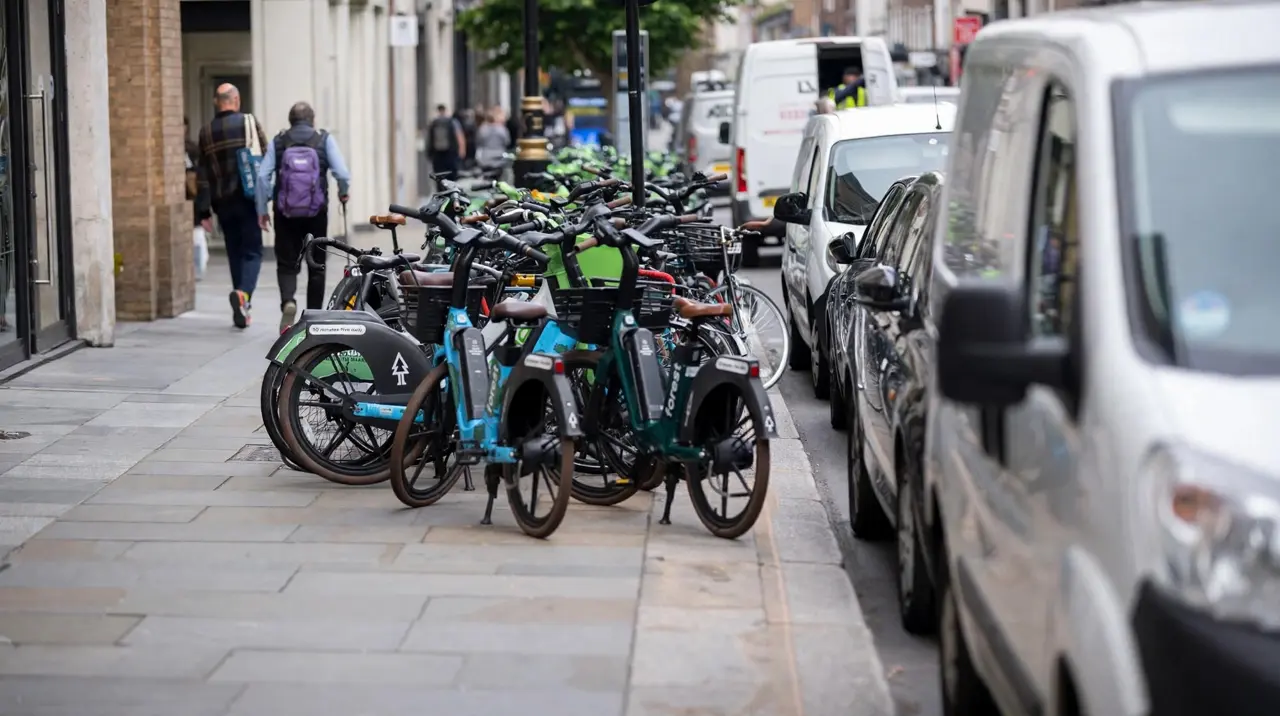
Shared e-bike operators would also be required to improve fleet management and set up designated parking zones to protect pavements, and could be obliged to carry insurance so injured people can seek compensation.
Ministers described the move as a crackdown on the "wild west" of e-biking, saying inconsistent rules around the country have often made streets unsafe for pedestrians. A consultation launched on Thursday proposes national standards intended to make journeys safer and keep pavements clear, especially for wheelchair users and families with prams.
The first e-bikes appeared in Exeter in 2016 and reached London the following year, becoming a popular commuting choice. According to the Greater London Authority, 37 million trips were made on dockless e-bikes last year, a third more than in the previous year. Shared e-bikes such as Lime, Voi, Beryl, Dott, Forest and Bolt make short journeys quick and convenient.
Some areas require shared bikes to be left in specific locations, while others have looser rules. Under the government's plans, local leaders would be able to license schemes, enforce minimum standards and better integrate e-bikes into existing transport networks. Measures could include requiring operators to provide a parking plan and manage fleet sizes and operating areas so bikes do not overcrowd streets.
The consultation will also examine how to tackle antisocial and illegal behaviour, aiming to stop users riding shared cycles drunk, underage or on pavements. Clear consequences, such as fines, would be set out for such behaviour. The government is also consulting on whether local leaders should receive extra powers, including setting fees and requiring operators to share data to improve enforcement and journey planning. The consultation runs for eight weeks, after which legislation will be drawn up.
Prime Minister Andy Burnham called the clampdown a "small but important everyday fix" that would make streets safer. Transport Secretary Heidi Alexander said the government wanted e-bike schemes to "grow in popularity" but acknowledged they were "causing a little bit of nuisance at the moment".
Asked how punishments for dangerous cycling could be enforced, Alexander said licensing rules could allow for fines but added: "What you can't do is legislate for every eventuality, you can't legislate for idiots." She added: "The police enforce the rules of the road to stop cyclists when they are behaving recklessly but police have got a lot on their plate so individuals have to take some responsibility,"
Bosses at Lime, Voi and Bolt welcomed the proposals, saying consistent national standards would give clarity and certainty to operators, riders and the public.
Mike Wordingham of the Royal National Institute for the Blind said 92% of blind and partially sighted people had been forced to walk into roads because e-bikes blocked pavements. He welcomed the government's announcement but warned that addressing rider behaviour would be "difficult" and said a locally-led approach must not produce "a patchwork of regulations and inconsistency in implementing them".
Source: