Women in south London urged to log sexual harassment spots
Women and girls across south London are being asked to report sexual harassment so that the places where it occurs can be identified and mapped.
Ruby Gregory (Local Democracy Reporting Service), Jess Warren (London)
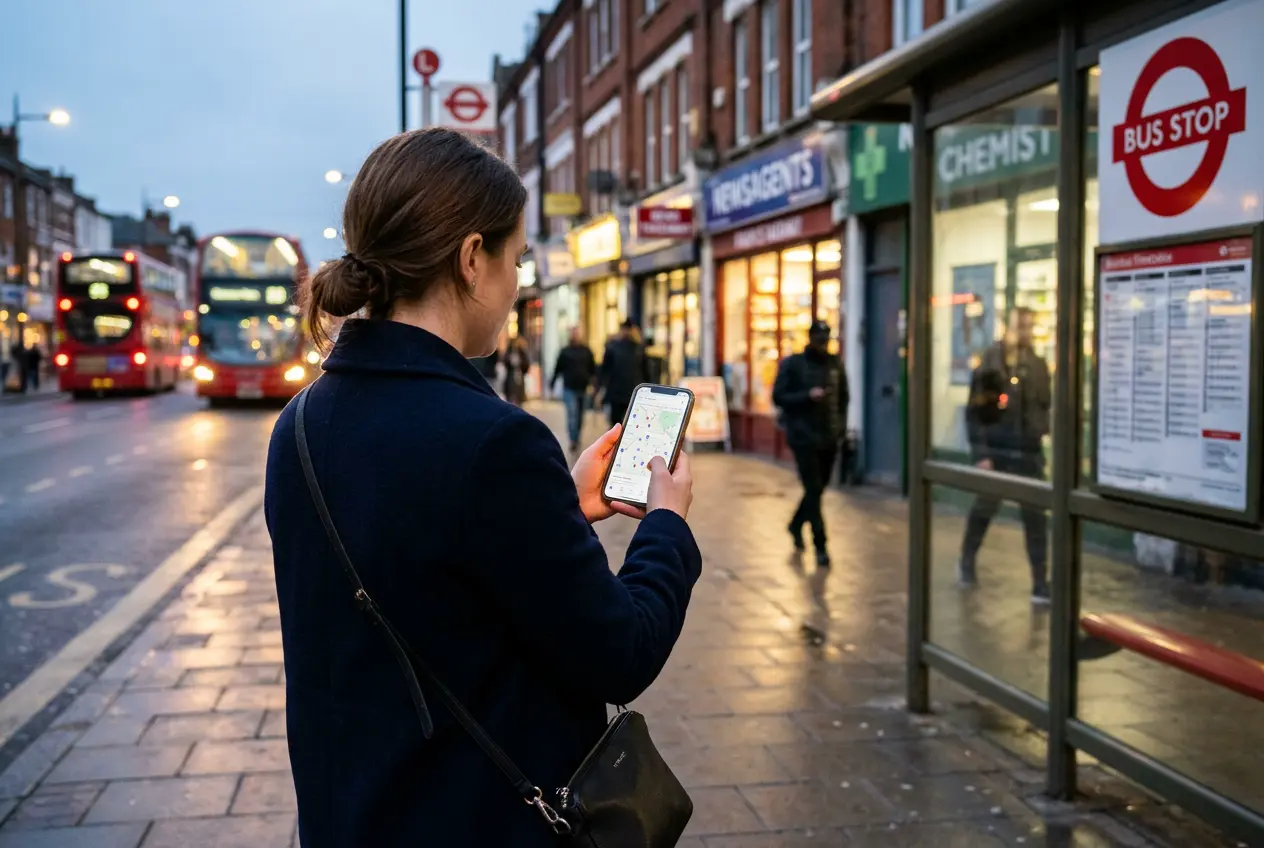
Women and girls across south London are being asked to report sexual harassment so that the places where it occurs can be identified and mapped.
The online reporting tool was launched by Marina Ahmad, London Labour Assembly Member for Lambeth and Southwark, and covers both boroughs.
According to an analysis by City Hall Labour of Met Police data, the force registered 2,385 sexual offences and 4,541 harassment offences last year. That works out as one sexual offence every four hours and one harassment offence every two hours.
In September, the mayor of London revealed £15.6m in funding aimed at working with women and girls to improve safety in public spaces.
'Scared to walk to school'
Ahmad, who serves as deputy chair of London's police and crime committee, spoke about what women and girls in Streatham Hill have experienced.
She told the Local Democracy Reporting Service that she was "infuriated" by the situation.
"Women talking about going past groups of men who threatened to rape them, schoolgirls ringing parents or carers to say 'can you come and get me? I'm too scared to walk past, there's a group over there and I don't want to walk past them'."
At a public gathering in Streatham earlier this month, a woman explained that her 11-year-old daughter had been harassed by a group of boys on three occasions and was now too frightened to walk to school.
"It absolutely infuriated me, and what also made me very angry was the way that because it happens so often, women and girls don't report it," she said.
Users of the reporting tool can choose to give their name and contact details if they want to be contacted about their experience, or they may submit a report anonymously.
They can also put forward suggestions to City Hall Labour on what might help them feel safer in their neighbourhood.
Also in September, Lord Khan announced a joint effort involving City Hall, the mayor's office for policing and crime, and Transport for London, which would back local authorities in making public spaces safer.
Possible measures include improved lighting, additional CCTV, and the removal of blind spots.
Khan said: "The epidemic of violence against women and girls is a global disgrace that shames us all. What so many women and girls have had to endure and continue to endure is unacceptable and every aspect of society has a part to play in changing this.
"By giving a voice to women and girls who know their local areas best, we can work with local authorities to make these spaces safer and more welcoming at all times of day."
At the time, Met Police Deputy Assistant Commissioner Kevin Southworth, said: "Creating environments where people feel safe not only helps prevent harm, but it supports policing by making it easier to protect victims, identify offenders and build safer communities."
Ahmad said she hopes the tool covering the two boroughs will shed more light on the problem, charting women's and girls' experiences across the area, the reasons they do not report incidents, and the changes that would make them feel safer.
The reporting tool is available online.
Listen to the best of BBC Radio London on Sounds and follow BBC London on Facebook, X and Instagram. Send your story ideas to [email protected]
Source: