Van Driver Sentenced for Deliberately Hitting Cyclist While Carrying Blood
The driver knocked the cyclist off his bicycle on New Cross Road in Lewisham during the evening rush hour, causing multiple fractures.
Updated 25 nov
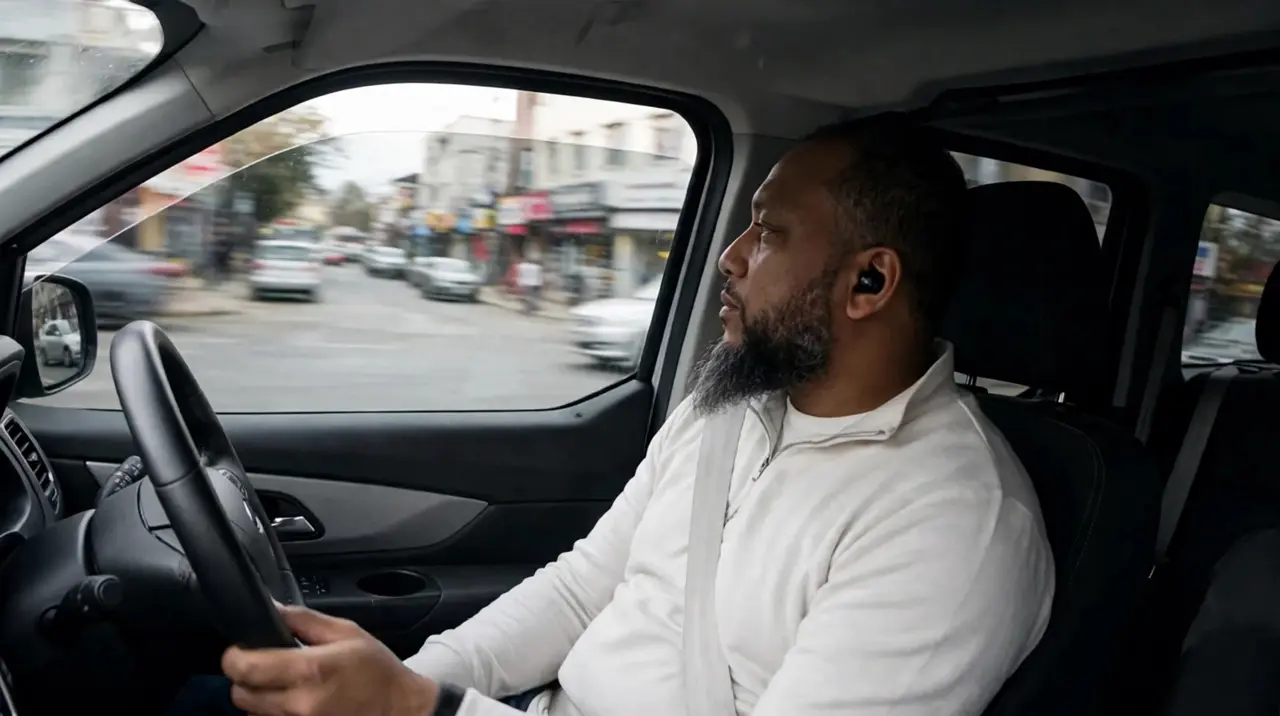
The driver knocked the cyclist off his bicycle on New Cross Road in Lewisham during the evening rush hour, causing multiple fractures.
Woolwich Crown Court was told that Okotie shifted his van into the left lane "seemingly without looking" and drew alongside the cyclist. At the following traffic lights, the cyclist spat in the direction of the van, and the liquid entered through the open driver's window.
Okotie, who lives in Southwark, was convicted earlier this month of causing grievous bodily harm with intent following a trial, and was handed a sentence of three years and six months.
'Extreme road rage'
Video recorded by a dash camera inside the van and played to the court showed Okotie jerking the steering wheel, which sent the cyclist beneath two of the vehicle's wheels.
According to the victim, his pelvis and femur required "numerous screws and plates". In a statement issued by the Met Police, he explained that he had previously been active, but the injuries had prevented him from jogging and taking part in other physical activities.
During sentencing, Recorder Neil Haythorne addressed Okotie directly: "In a moment of extreme road rage, which appears entirely out of character from what I have heard about you, you caused serious injury to a cyclist."
The judge chose not to impose a driving ban, pointing out that Okotie had kept driving after the incident.
Mitigating, Mandisa Knights said Okotie, a father of eight with a one-year-old grandchild, worked as a mentor for young people, steering them away from the violence he had experienced in his youth.
She explained that "a momentary relapse in retaliation" resulted in "grave consequences", and that he would now have to confront the boys he had mentored and acknowledge his actions.
Det Insp Steven Andrews, of the Met, said the blood Okotie was carrying was "destined for hospital patients in need".
"Instead of continuing a journey intended to support potentially life-saving treatment, he chose to place someone else's life at risk," Andrews said.
Source: