Stop and search under scrutiny at London youth summit
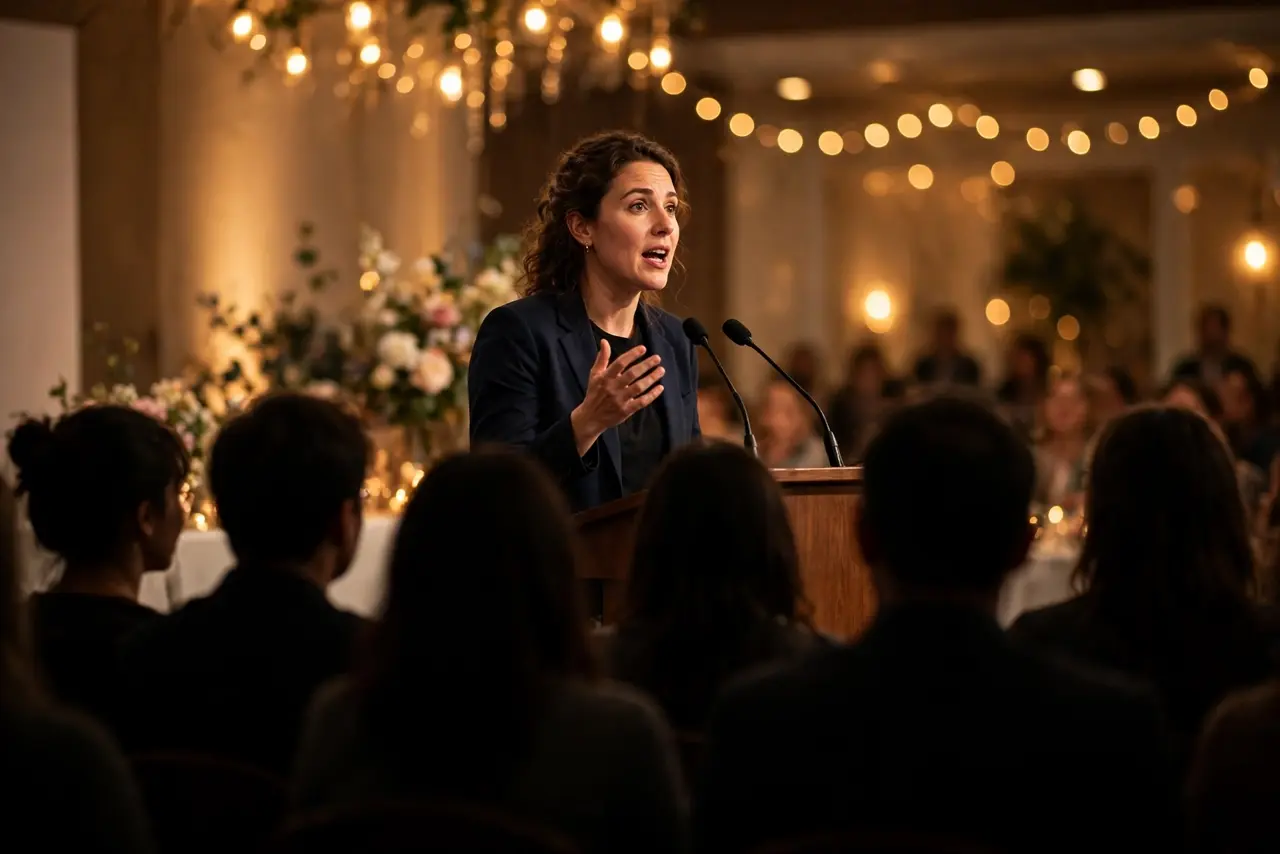
Around 400 school children and members of youth organisations from across London gathered at the London Stadium to discuss their experiences of stop and search and learn how the powers are applied.
Sonja Jessup (London home affairs correspondent), Aurelia Foster Updated 25 nov
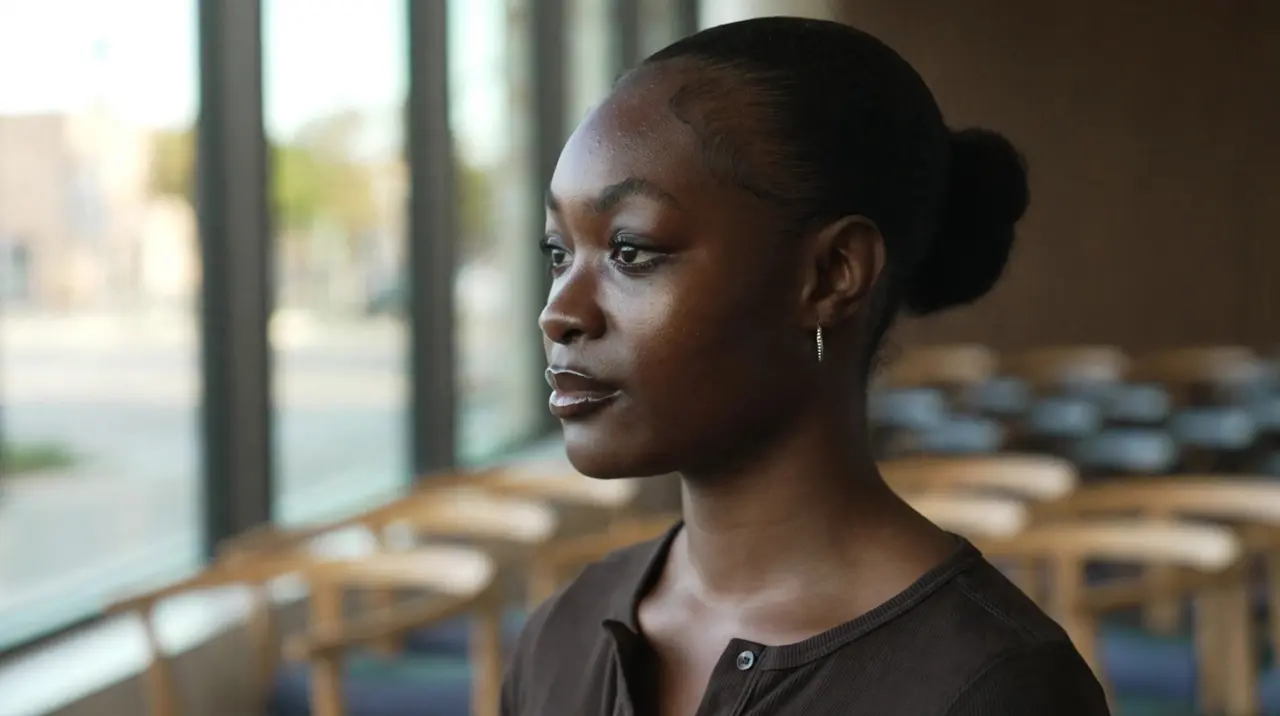
Around 400 school children and members of youth organisations from across London gathered at the London Stadium to discuss their experiences of stop and search and learn how the powers are applied.
Met Commissioner Sir Mark Rowley answered questions on the topic, while participants joined workshops and learned about their rights.
According to the Met, the tactic "was a vital crime fighting tool that took 3,700 weapons off London streets last year", though the force has recently promised to improve how the powers are exercised.
'Respect and trust'
Sir Mark explained that much of the stop and search activity "landed on young people, so we've been working with young people in London...to make sure we do it as well as possible in their eyes and well as well as effectively seizing weapons, because we don't want to break those relationships.
"There are still several hundred children injured as a result of knives so [stop and search] is vital to protect them - but it's also vital we do it in a way that builds respect and trust."
The Met's Stop and Search Charter, written jointly with roughly 80 young people in 2025, committed the force to using the powers fairly and proportionately.
Golddust Addo-Mensah, 22, who assisted the force in drafting the charter, said taking part was important for holding the Met accountable to young Londoners.
"The future interactions young people have with the Met Police... I want them to be positive interactions.
"Hopefully it will create a totally different experience for young people and the perception of the police as well."
Dara, 14, one of those present, told the BBC that the event gave her a clearer grasp of stop and search.
"I have a better understanding of how they do it and why they do it.
"For example, lets say if I were ever stopped and searched, I would know my rights and know how to approach it."
Bernardo, 13, said he was reassured by the progress recorded in stop and search operations: "They're doing a great job by taking thousands of knives and guns off the street and drugs, protecting children and and letting them go out on the streets with their friends and have fun."
In an extensive and sharply critical 2023 review of the force, Baroness Casey judged that a "fundamental reset" of the tactic was required, pointing to black Londoners being over-policed and under-protected.
The review also found that the Met had grown increasingly removed from Londoners and that more effective engagement was necessary.
A separate publication from the London Assembly Police and Crime Committee in February reported that numerous young Londoners felt the police did not believe them and treated them as suspects straight away.
Since the charter came out, more than 30,000 officers and staff have received training on the cultural changes required, including closer supervision of stop and search activity by supervising officers.
Listen to the best of BBC Radio London on Sounds and follow BBC London on Facebook, X and Instagram. Send your story ideas to [email protected]
Source: