Piccadilly line services resume as control staff strike concludes
Piccadilly line services resumed following the conclusion of a 24-hour strike by control staff.
James W Kelly (London), Tom Edwards (London transport and environment correspondent) Updated 25 nov
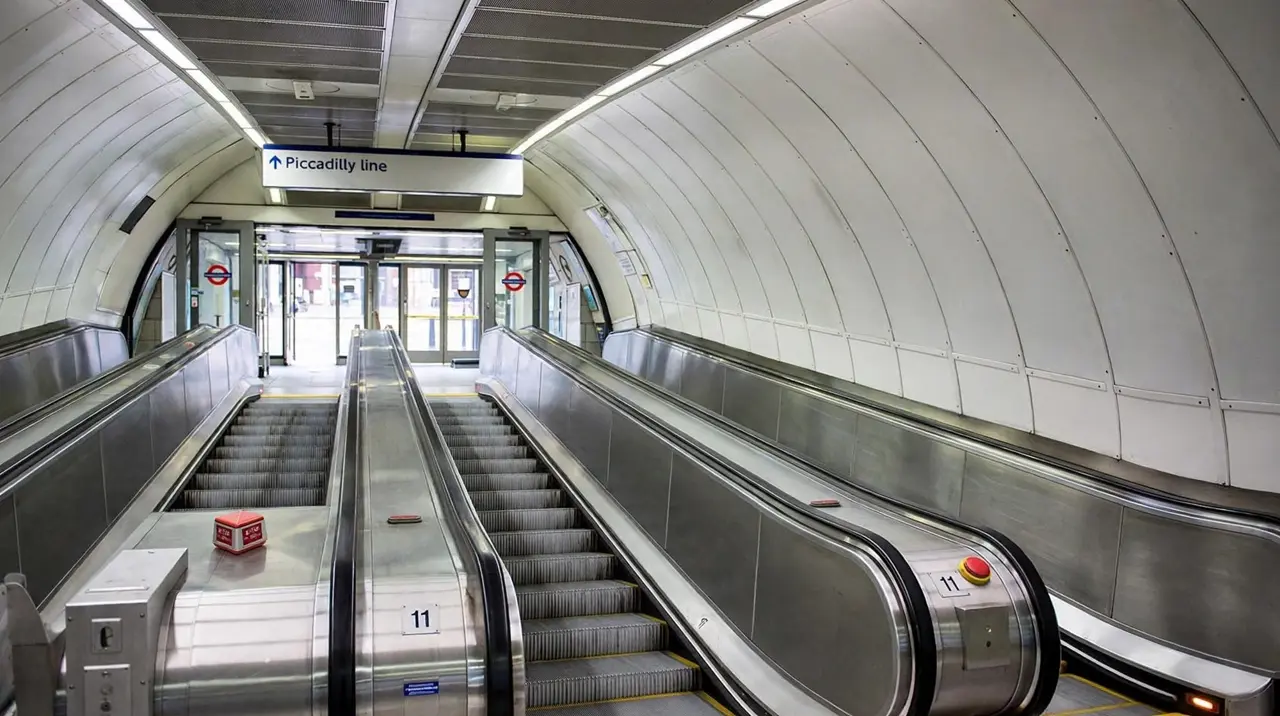
Piccadilly line services resumed following the conclusion of a 24-hour strike by control staff.
Members of the Transport Salaried Staffs' Association (TSSA) employed in service control walked out at midday on Friday amid a disagreement about a colleague's dismissal.
Transport for London (TfL) stated that services would not be back to normal until Saturday evening, and that some District line services were impacted as well.
The walkout was distinct from the scheduled RMT industrial action concerning TfL's proposed four-day working week for Tube drivers, which is expected to affect the whole Underground network over eight days from 26 November through to the new year.
The final Piccadilly line train departed Cockfosters in north London at 11:15 GMT on Friday.
Several passengers said the strike caught them by surprise, given that it had been announced on Tuesday.
One commuter, Nivine Saleh, told BBC London at Cockfosters station that the closure meant she missed a hospital appointment.
"I might have to cancel it now, which is not good because it's treatment, and if I cancel it, they might stop my treatment," she said.
A different passenger explained they had not known the line would be shut and would need to drive into central London or use the Northern line instead.
When was the Piccadilly line disrupted?
The TSSA industrial action formally began at 11:59 GMT on Friday 20 November and finished at 11:59 on Saturday.
According to TfL, services were cut back after 10:30 on Friday and were not due to return to normal until Saturday evening.
Friday night's Night Tube service was among those affected, with the regular Night Tube timetable restarting on Saturday night.
Which other lines were affected?
The District line was also hit because of infrastructure shared around the Ealing Common depot.
From midday on Friday until Saturday evening, services between Earl's Court and either Richmond or Ealing Broadway were disrupted, and the remainder of the District line ran a reduced service.
What alternative transport was on offer?
TfL said no reductions were expected on the rest of the London Underground network because of the action.
The Elizabeth line, DLR, London Overground, buses and trams were all expected to operate as normal, though TfL cautioned that they would probably carry more passengers than usual as people sought other ways to travel.
With no Piccadilly line trains serving Heathrow Airport, passengers could still get to the terminals via the Elizabeth line or Heathrow Express.
Rail replacement buses ran on Friday night and throughout Saturday daytime:
PL1: Hammersmith – Osterley, calling at Turnham Green, Chiswick Park, Gunnersbury, Acton Town, Ealing Common, Ealing Broadway, South Ealing, Northfields, Boston Manor (24-hour service)
PL3: Hammersmith - Heathrow Airport non-stop (daytime Saturday only)
PL4: Gunnersbury – Rayners Lane, calling at Acton Town, Ealing Common, North Ealing, Hanger Lane [for Park Royal], Alperton, Sudbury Town, Sudbury Hill, Rayners Lane (daytime Saturday only)
PL7: Hammersmith – Heathrow Airport T5, calling at Osterley, Hounslow East, Hounslow Bell Corner [for Hounslow Central], Hounslow West, Hatton Cross, Heathrow Central (24-hour service)
No replacement buses operated during Saturday Night Tube hours, by which point the Piccadilly line had resumed.
Passengers were told to check details before travelling using the TfL Go app or the TfL website.
Why were control staff striking?
The action covered TSSA members working in Piccadilly line service control.
These control room staff monitor the line's operation, directing trains and managing services so that they run safely and efficiently.
The union is objecting to the dismissal of one employee, which it considers unfair.
BBC sources familiar with the case said the employee had been working as a minicab driver.
According to the union, the dispute concerns how London Underground treats its staff, with a fraud unit that the TSSA says applies police methods to routine HR matters as if they were criminal proceedings.
A union spokesperson said the fraud unit consisted largely of former police officers, and that its members believed police-style tactics were used in ordinary workplace investigations.
"No-one should face that kind of treatment over a workplace issue," they said.
Nick Dent, TfL's head of customer operations, offered an apology to passengers affected by the strike but called the action "totally unjustified".
He explained that the disciplinary process followed a whistleblower report to TfL's investigations team, which established that the former employee had been holding down a second job while receiving full sick pay.
"It's really important that we use our money in the right way for customers," Dent added.
An email viewed by the BBC, sent by TSSA general secretary Maryam Eslamdoust to TfL management, said the union "remains open to settling this action".
Her demands included reinstating the dismissed worker, ending the use of the fraud unit "against staff" and negotiating new protocols for staffing investigations.
Listen to the best of BBC Radio London on Sounds and follow BBC London on Facebook, X and Instagram. Send your story ideas to [email protected]
Source: