Met reports rise in sexual offence complaints from street sex workers
According to the Met, over 40 women who previously had little or no contact with police are now in regular contact with officers as part of Operation Amicus, which began in January.
Amy Clarke (London) Updated 25 nov
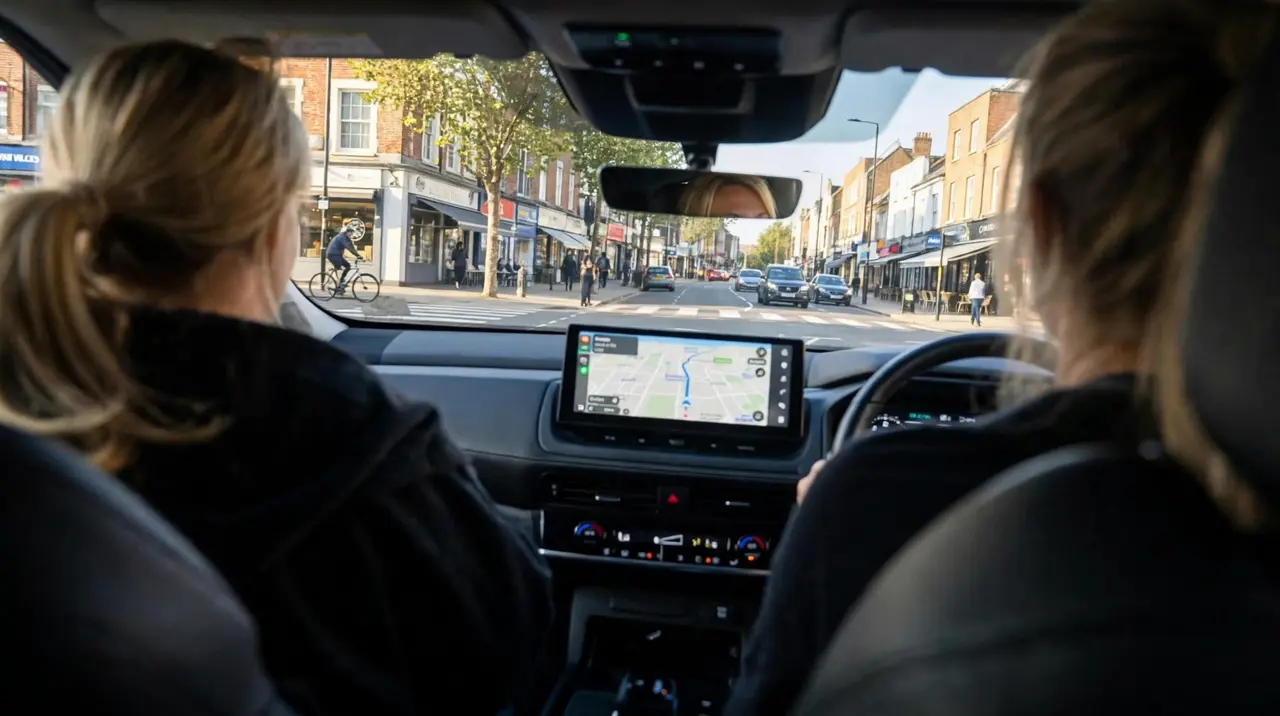
According to the Met, over 40 women who previously had little or no contact with police are now in regular contact with officers as part of Operation Amicus, which began in January.
The force described the initiative as a "fundamental shift" in the way it addresses violence, exploitation and vulnerability affecting women involved in street-based sex work.
The Metropolitan Police has been criticised over failures connected to convicted sex offender Simon Levy, whose victims were vulnerable and had at times worked in street-based sex work. Levy was on bail when he murdered Sheryl Wilkins, 39, and Carmenza Valencia-Trujillo, 53, and raped another woman. The survivor reported the attack while being arrested by police but later said "nobody ever listened to me". Both the Met and the Crown Prosecution Service apologised for the failures that allowed Levy to remain at large.
During the pilot, female officers in unmarked vehicles carried out regular night-time patrols and developed relationships with women involved in street-based sex work through repeated contact.
Earlier this year, the BBC accompanied one of the patrols and was told that officers had received accounts of widespread violence against women in street sex work, with some too frightened to come forward because they did not trust the police.
One participant who reported being raped during the pilot told officers "you won't believe me, so do your job and check the CCTV" — a remark the Met said demonstrated how difficult it is to build trust.
Preventing further harm
Supt Rob Gibbs said women involved in street-based sex work were "among the most vulnerable people in our communities".
He said: "Many have endured years of violence, exploitation and abuse while feeling that nobody would listen to them or take their experiences seriously."
Gibbs said the scheme had prompted women to report rape, sexual violence and other serious offences that might otherwise have gone unreported.
"Every report gives us an opportunity to safeguard a victim, pursue an offender and prevent further harm," he said.
"Just as importantly, it helps us build a clearer picture of those who target and exploit vulnerable women.
"This is not simply about supporting women involved in street-based sex work. It is about identifying dangerous offenders, bringing them to justice and making our communities safer."
The operation's next phase will concentrate on identifying and disrupting sexual predators, repeat offenders, kerb crawlers and those responsible for exploitation.
The English Collective of Prostitutes (ECP), which campaigns for the decriminalisation of sex work, said many women still distrust police because of previous enforcement activity. Laura Watson, a caseworker with the group, previously told the BBC that a "very intense and aggressive police crackdown" in north London had produced "quite aggressive arrests of women" in Enfield and Haringey.
She said closure zones and anti-social behaviour orders had caused "mass criminalisation because women were breaching those orders".
"Women really describe absolute terror from the police, running up and down the road, running away from the police," she said.
Prof Kate Brown, of the University of York, said liaison teams could improve safety and access to justice but could not work as a standalone solution.
"Our research shows that sex work liaison officers can make a real difference to safety and access to justice, but only when they are designed and delivered in the right way," she said.
However, she said they "cannot fix a system that continues to police and criminalise sex workers" and argued that "decriminalisation is the best way to deliver safety and justice" for them.
Listen to the best of BBC Radio London on Sounds and follow BBC London on Facebook, X and Instagram. Send your story ideas to [email protected]
Source: