Met officer sacked for searching Wayne Couzens' records
Former PC Clare Tett was dismissed without notice after a tribunal found she had no "proper policing purpose" for accessing Wayne Couzens' record on the day after he was detained.
Updated 25 nov
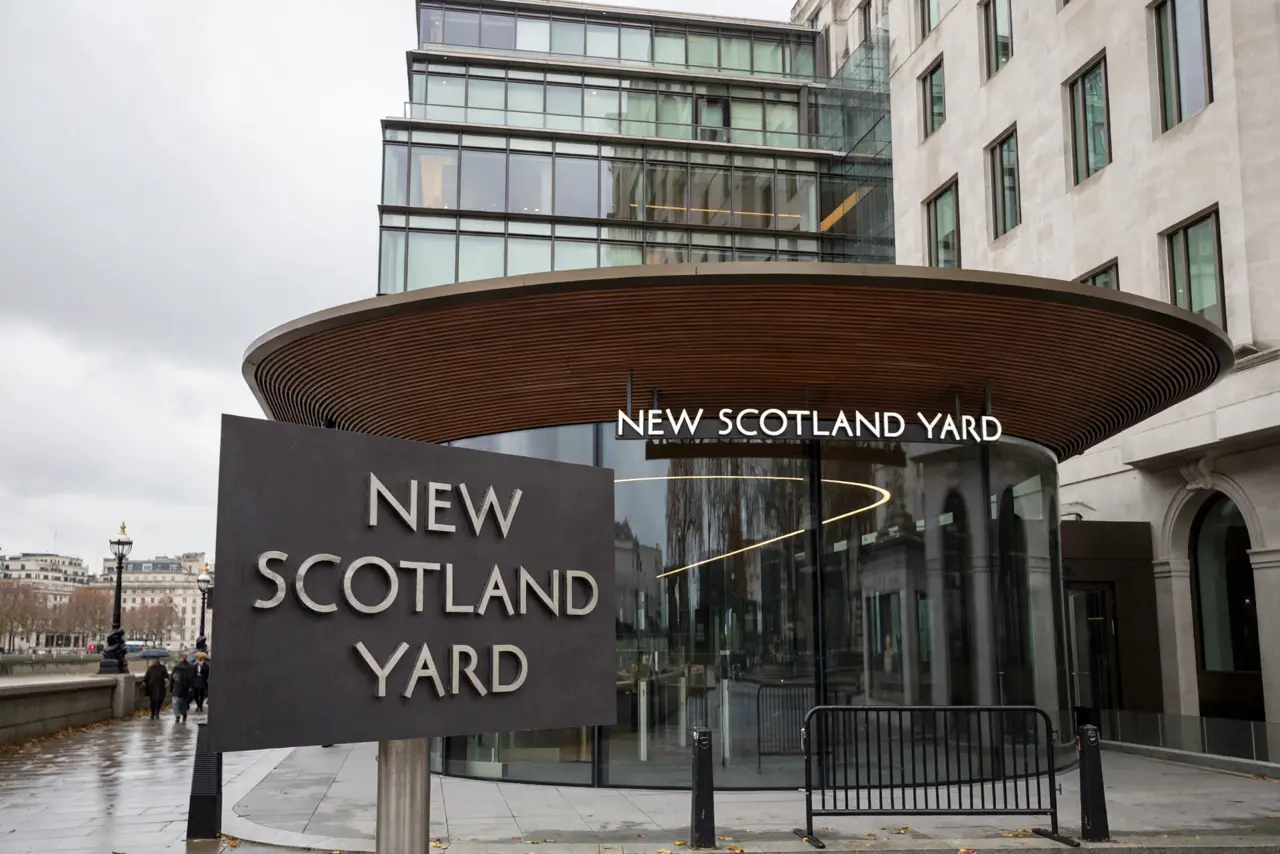
Former PC Clare Tett was dismissed without notice after a tribunal found she had no "proper policing purpose" for accessing Wayne Couzens' record on the day after he was detained.
At first, Tett said she had a "lawful policing reason", claiming she used Everard's case to refresh her licence on one of the systems. The hearing established that she played no part in the investigation into Everard's disappearance and was instead "motivated by curiosity".
Everard, 33, was abducted, raped and murdered by serving Met police officer Couzens in south London on 3 March 2021. She was reported missing on 4 March 2021, and five days later Couzens was arrested on suspicion of kidnap and detained. According to the judgement, his name only became public on 12 March.
The tribunal was told that, two days before his name was made public, Tett used police systems to view Couzens' and his wife's custody records, as well as the crime report information system (CRIS) entry for Everard's case. She also opened custody records for four other detainees held in London police stations on suspicion of serious offences, including murder and blackmail.
The appropriate authority (AA) noted that Tett had over 20 years of experience and had completed training, meaning she should have known that "police data should only be accessed for official purposes only". When first responding to the allegations, she acknowledged accessing the records but insisted she had a "a lawful policing purpose for doing so".
The panel concluded: "most likely explanation for accessing the records, given that PC Tett had no obvious personal connection to this case, was that she was motivated by curiosity to find the identity of the officer who had been arrested in connection to the Sarah Everard case".
"The panel, therefore, found that PC Tett's conduct had clearly breached the standards of confidentiality and orders and instructions."
Tett is among a number of officers identified as having accessed material connected to the investigation without an apparent policing purpose. The high court had previously determined that seven officers had opened the files without a professional justification.
Listen to the best of BBC Radio London on Sounds and follow BBC London on Facebook, X and Instagram. Send your story ideas to [email protected]
Source: