Met finds one in eight vapes seized from pupils in south-west London schools contained drugs
Officers examined 32 confiscated devices with specialist equipment, detecting THC, the psychoactive ingredient in cannabis, and Spice, a synthetic drug. According to the Met, another three devices were expected to test positive once laboratory analysis was completed.
Wendy Hurrell, James W Kelly Updated 25 nov
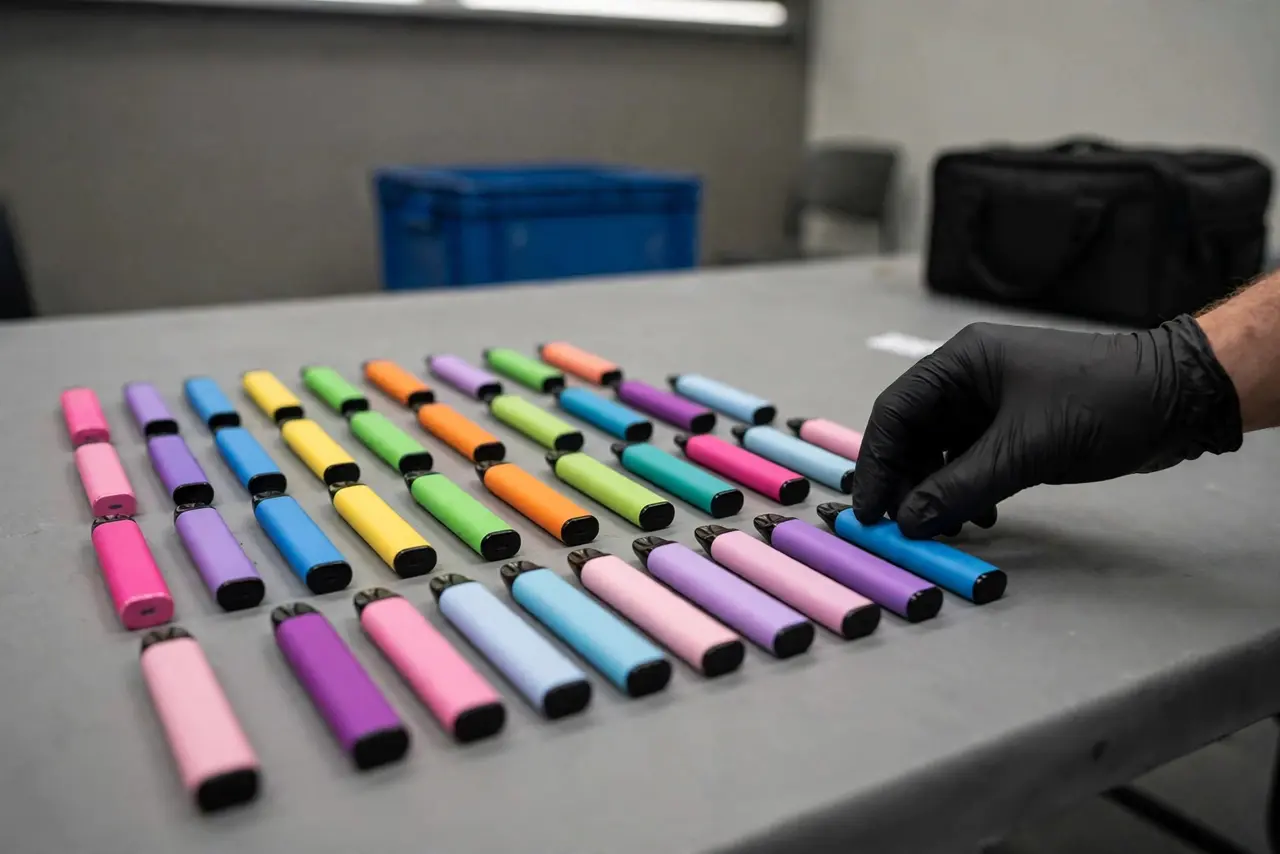
Officers examined 32 confiscated devices with specialist equipment, detecting THC, the psychoactive ingredient in cannabis, and Spice, a synthetic drug. According to the Met, another three devices were expected to test positive once laboratory analysis was completed.
Deputy Assistant Commissioner Ben Russell said the early results were "surprisingly high" and underlined the danger to children who may think they are inhaling ordinary nicotine products.
"We've seen a number of cases of children getting quite unwell from taking a vape, thinking it was just going to give them some nicotine and a nice smell, and actually they've really become quite unwell from consuming something they didn't expect to," he said.
The pilot was run with schools across south-west London after reports of pupils becoming seriously unwell after using shared vapes or devices they believed contained nicotine.
The results match earlier research by the University of Bath, which found that up to a quarter of vapes confiscated from secondary schools in England contained Spice.
"We're seeing them [pupils] buying vapes on social media, through friends, through older siblings, in the playground, and that really does put you at risk because you simply don't know what you're putting in your body," Russell said.
He said some people might be producing vapes to give users a high without realising the devices could end up in children's hands. The Met said it was not seeking to criminalise children for using vapes, but wanted to target those responsible for supplying dangerous products.
The testing equipment extracts vapour from a device and screens it for substances including THC and Spice, producing results within minutes. The force said it was the only system of its kind currently operating in the UK, and that officers had also used the technology in London's nightlife venues as part of efforts to tackle drink and drug spiking.
Over the past year the Met received about 200 reports linked to spiking incidents involving children. The figure covers all forms of spiking, rather than just incidents involving vapes.
'Understanding the harm'
Miriam Manderson, a London head teacher, said her pupils were encouraged to report anything they considered potentially harmful through a "call it out" approach, which allows children to speak discreetly to a trusted adult if they have concerns.
"The best schools will not come with a kind of hard-and-fast approach, sanctions only, because it's all about education, education, education, making sure that they have an understanding of the harm, the dangers, the alternatives," she added.
Sue Rockell, the designated safeguarding lead at Manderson's school, said pupils did approach her team about vaping, including reporting things they had seen outside school. She said it was important children felt able to approach staff without fear of judgement and knew where to seek support.
In April, officers were called to a college in Kingston after a 17-year-old student lost consciousness following the alleged use of a vape believed to have been laced with drugs. A subsequent search led to the seizure of cannabis, a vape device and a bottle containing a pink liquid labelled "PEACHSILK, 5000MG THC". Forensic analysis confirmed that two vaping products contained THC, a Class B controlled drug.
The Met said "positive outcomes" for spiking offences had increased by 36% over the past year. These included arrests and charges, while the force said reporting had also risen.
Russell said increased reporting was helping officers investigate offences by carrying out forensic tests, obtaining CCTV and speaking to victims and witnesses. He urged anyone who believed they had been spiked to contact police as quickly as possible, saying the first 12 to 24 hours were crucial for securing evidence and identifying offenders.
Source: