London pair found guilty of spying for Iran against journalists and lawyer
Mostafa Sepahvand, 41, and Farhad Javadi Manesh, 46, were found guilty of "assisting a foreign intelligence service" at Woolwich Crown Court on Thursday. The pair were assigned by Iran's Islamic Revolutionary Guard Corps (IRGC) to watch the targets, with Sepahvand planning a "violent attack" on at…
Daniel Sandford (UK correspondent) Updated 25 nov
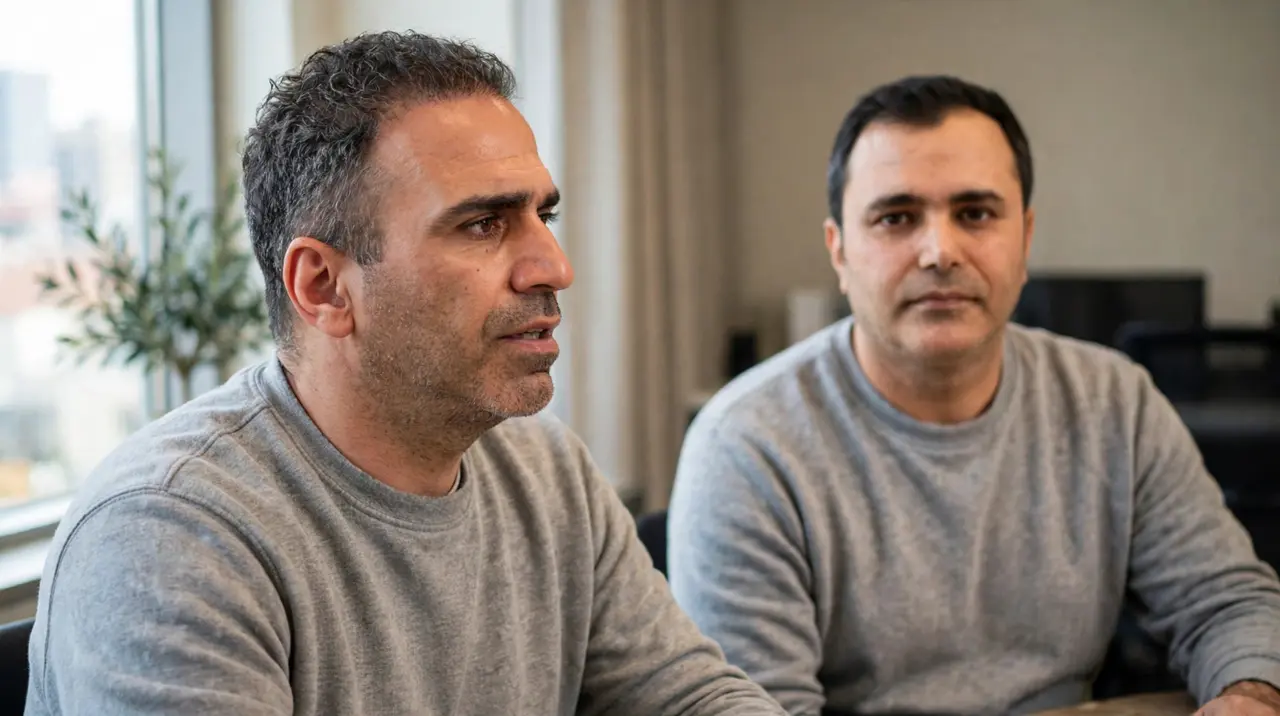
Mostafa Sepahvand, 41, and Farhad Javadi Manesh, 46, were found guilty of "assisting a foreign intelligence service" at Woolwich Crown Court on Thursday. The pair were assigned by Iran's Islamic Revolutionary Guard Corps (IRGC) to watch the targets, with Sepahvand planning a "violent attack" on at least one of them and Manesh assisting with the preparations.
A third defendant, Shapoor Qalehali Khani Noori, 57, was acquitted of the same offence.
Sepahvand was in communication with two individuals using Iranian phone numbers. According to police, 534GB of data was recovered showing that Sapahvand and Manesh received files containing photographs of the targets, their workplace addresses, the make and colour of their vehicles and the names of their pets. The two then turned to ChatGPT to conduct additional research.
Both men are from west London and hold asylum seeker status with granted temporary leave to remain. Sepahvand reached the UK inside a lorry in 2016, while Manesh came by small boat in 2019.
Sepahvand carried out surveillance and reconnaissance in advance of violence against several "subjects" in the UK. Among them were journalists Mojtaba Pourmohsen and Kambiz Hosseini, who work for the London-based Persian-language broadcaster Iran International, Jonathan Turner, a founding member of UK Lawyers for Israel, and a media production professional.
Deputy Assistant Commissioner Vicki Evans, the senior national co-ordinator for Counter-Terrorism Policing, said this was the first occasion that ChatGPT case search history had been presented in a state threat case. She added: "It's something we're beginning to see more of as AI tools become more widely available and people become more aware of them."
The trial evidence indicated that Sepahvand sometimes believed his Iranian handlers were mistreating him by failing to pay him. Evans said: "This is a trend we see in these types of cases where people get involved in work on behalf of foreign states and they're often promised money and lots of other things but they rarely receive what they've been offered."
Sepahvand maintained that he took part in the spying because he feared the consequences of refusing, but prosecutors dismissed this claim as "entirely bogus". In voice messages to an Iranian contact, he explained that he had been told a theft conviction in Iran would be "sorted out", which prosecutors identified as one of the reasons he carried out the surveillance.
He also requested £150,000 in return for "finishing off" a target, making clear that he would "do it".
Frank Ferguson, from the Crown Prosecution Service's counter-terrorism division, said the defendants had been promised rewards for transmitting intelligence back to their contacts in Iran. He added: "Sepahvand himself was willing to go beyond surveillance to commit serious violence against their targets," and: "Thankfully, the defendants were stopped before any attack could take place." He went on to state: "Cases like this show Iranian intelligence's willingness to use proxies to target the regime's critics abroad."
A spokesperson for Iran International said the verdicts would not "make the lives of our journalists any safer so long as the Islamic Republic of Iran continues its campaign of death threats and violence against them". A further statement read: "Kambiz Hosseini and Mojtaba Pourmohsen and others remain under threat. We are thankful for the continued vigilance of the British police in protecting not only us but the many other Iranians targeted by Iran. Iran will no doubt continue its use of agents and proxies abroad in its campaign to terrorise its critics."
Sepahvand and Manesh are due to be sentenced at the Old Bailey on 17 December.
Additional reporting by Ghoncheh Habibiazad
Source: