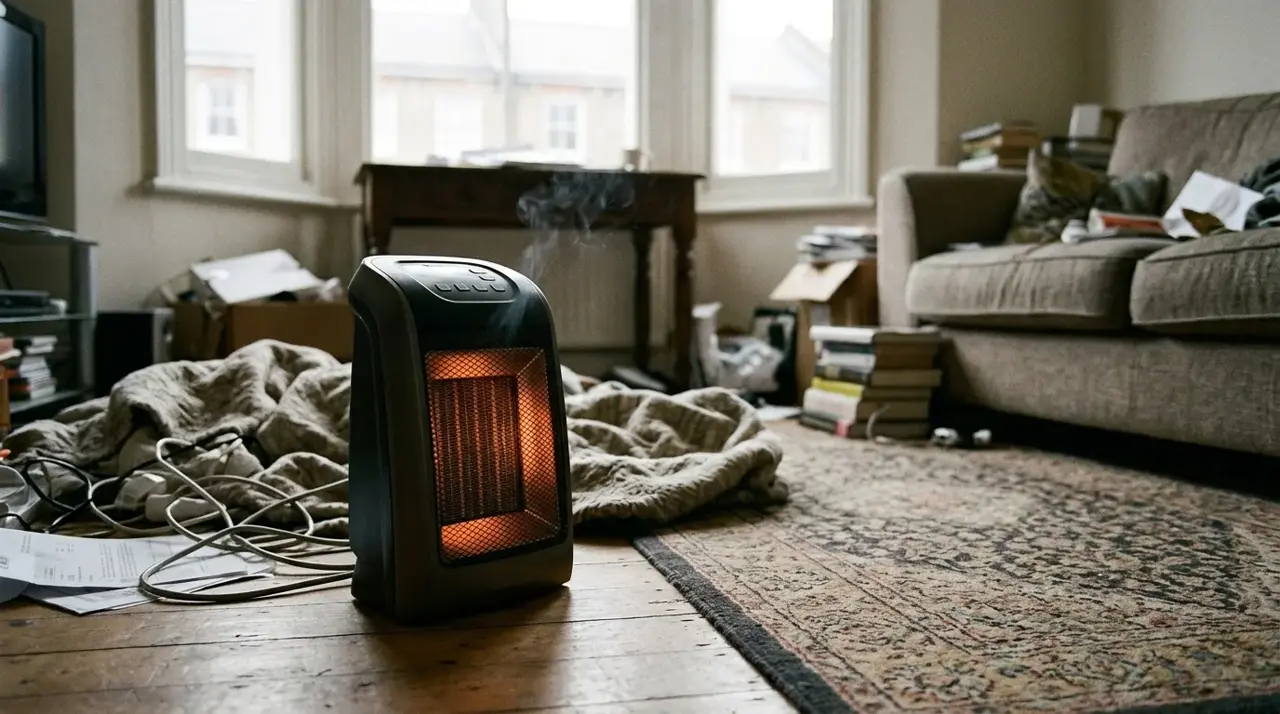
Fairfield review clears woman victim-blamed by Met Police
Lorraine — not her real name — was among the cases examined in the Casey review of 2023, which stated she had been "traumatised" both by PC Phil Hunter and by the way the Met's Professional Standards unit handled her complaint. The Metropolitan Police has previously apologised to her and accepted…
Sonja Jessup (London home affairs correspondent) Updated yesterday
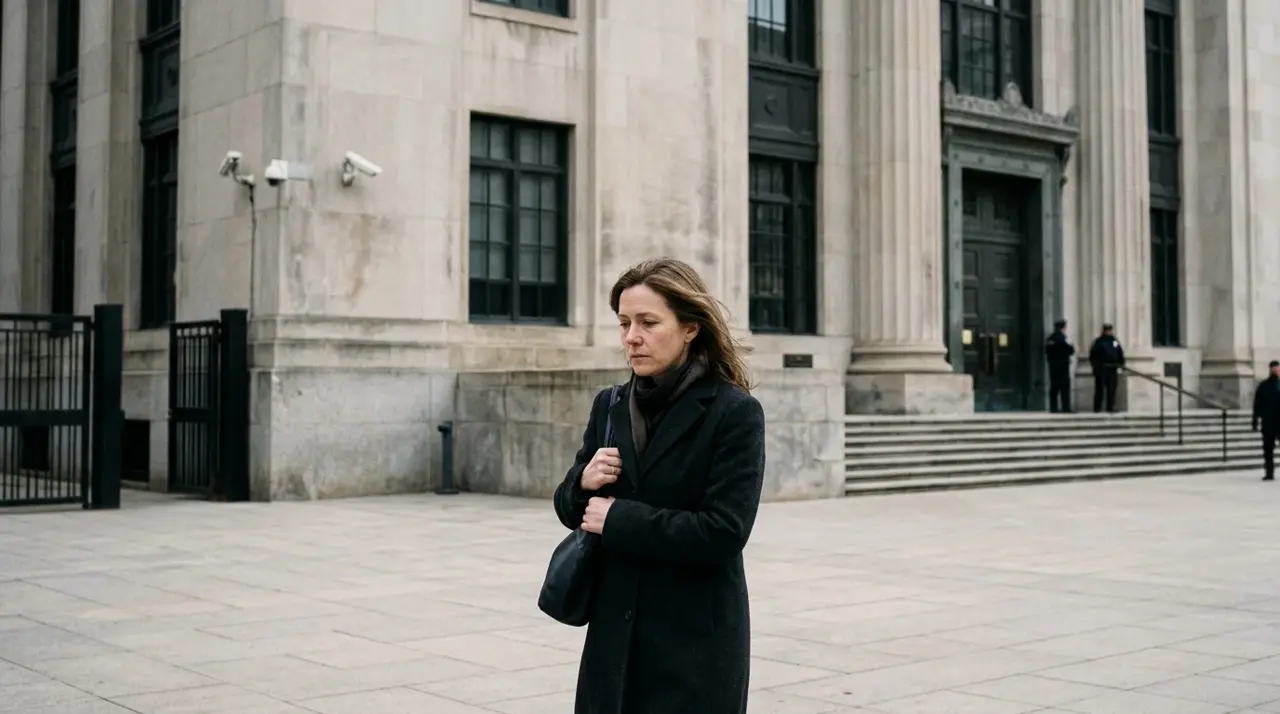
Lorraine — not her real name — was among the cases examined in the Casey review of 2023, which stated she had been "traumatised" both by PC Phil Hunter and by the way the Met's Professional Standards unit handled her complaint. The Metropolitan Police has previously apologised to her and accepted the findings of Dr Gillian Fairfield's report.
Lorraine met Hunter, who is no longer a police officer, during a welfare visit to her home in 2017. A disciplinary panel heard that, over two years, he sent her inappropriate messages and attempted to cut her off from friends and family as part of a "deliberate" and "predatory" plan to begin a sexual relationship with her.
In August 2024 he was found guilty of gross misconduct. He had, however, retired five years earlier while under investigation for a very similar case involving another vulnerable woman with whom he had started a sexual relationship. He was found guilty of gross misconduct in 2020 in relation to that case.
Although the Met's Directorate of Professional Standards (DPS) knew Hunter had already targeted another victim in comparable circumstances, Lorraine's complaints were disregarded. Her experience featured in the 2023 Casey review, which called for her case to be examined again. The disciplinary panel for Hunter took place the following year, but only after the Independent Office for Police Conduct (IOPC) stepped in and recommended that the Met hold one.
In March 2025, Lorraine received a letter from the DPS apologising for "a series of failings" across a seven-year period. The letter admitted that her initial allegations had not been recorded and that decisions may have been swayed by the belief that Lorraine was suffering from mental health issues — a belief it conceded "did not have basis in fact".
"Victim-blaming has occurred towards you by members of the Metropolitan Police," the DPS acknowledged. The letter said that inaccurate information held about Lorraine on police systems had been shared with others, and that defamatory information about her had been passed by a third party to her GP. When Lorraine asked the DPS to look into the conduct of officers, she found she had been labelled internally as a "fixated complainant".
Published on Wednesday, the Fairfield review assessed the Met's reforms against the main recommendations of Baroness Casey and concluded that the force had not yet made "good progress" on any of them. It criticised how the Met treats victims, finding that in some cases officers caused further harm to people who reported abusive police officers.
Lorraine said reading the report left her feeling "really, really sad," but also "in some ways, vindicated, to hear other people saying exactly the same thing".
"I have felt, at times, like a lone voice screaming in the wind," she added.
She said her struggle to be believed had been "far worse" than what Hunter did to her. Immediately after the Casey review was published, she had "genuinely believed" in the promises of reform, but "the last three years has taught me that there is no difference".
"The lack of victim care, the lack of victim support, was horrendous. They were still using derogatory terms about me.
So it hasn't changed. Hasn't changed at all."
The Fairfield review noted that although vetting and misconduct procedures had been "extensively overhauled", concerns remained over the Met's handling of abuse perpetrated by police officers. It said women reporting officers for domestic abuse risked being portrayed as troublemakers, having insinuations or allegations made about their own mental health, or waiting years for a resolution within the misconduct system. The report called for victims to be supported and given the chance to take part in "meaningful ways of changing the organisation from the inside".
Further scandals
Speaking after a briefing for journalists on the report's publication, Fairfield said: "We still find that women are not listened to as they should be."
She welcomed the Met's improved vetting system and the removal of 1,800 officers from the force, but warned that the Met could "not sack their way to good culture" and that further scandals were "highly likely" without further action. Fairfield said the force should track victims' care through the system from the moment they first report a crime.
"The commissioner and others need to feel the pain that victims are experiencing along that journey, and make sure that they're addressing it."
Lorraine said she agreed with Fairfield's comments on the dismissal of predatory officers.
"I'm heartened by the fact that the commissioner has got rid of so many people. But that's not the issue. You literally cannot sack your way out of it," she said.
"Yes, you've got rid of the bad apples, but the bad apples weren't the only problem. The culture and the way they behave, and the way they treat victims, was at the core of everything."
The Met said it welcomed the Fairfield review's findings and accepted its 10 recommendations, which it will use to shape the next phase of reforms. Met Police Commissioner Sir Mark Rowley said he was glad Fairfield had recognised the "scale of what has been delivered so far and the difficult decisions taken along the way".
Earlier this year, Lorraine received a financial settlement from the Met. The force previously apologised to her for the "completely unacceptable behaviour" of Hunter and accepted that her experience with the Professional Standards unit "has compounded her distress". It added that it was committed to supporting victims and that its professional standards team now took a "far more victim-centred approach around police-perpetrated abuse".
Lorraine said she still believed in Sir Mark to deliver reforms and that "the worst thing" would be if he stepped down.
"I honestly think if he did go, and we had somebody new tomorrow, what would change? It would still be exactly the same. He has momentum now and he needs to continue it."
She agreed with Fairfield that Sir Mark was genuinely committed to reform, but said he needed to focus on the voices of those the Met had failed.
"I think he does want change, and I think the fundamental thing he said is that he would listen. And I think he has listened. He just hasn't heard."
Listen to the best of BBC Radio London on Sounds and follow BBC London on Facebook, X and Instagram. Send your story ideas to [email protected]
Source: