Council weighs up future options for Aylesbury Estate
When Tony Blair became Prime Minister in 1997, he visited the Aylesbury Estate in south London, where rows of decaying apartment blocks were already in poor condition. The visit provided the setting for a speech in which he promised to address decay in inner cities, saying "there will be no…
Thomas Magill (London) Updated 25 nov
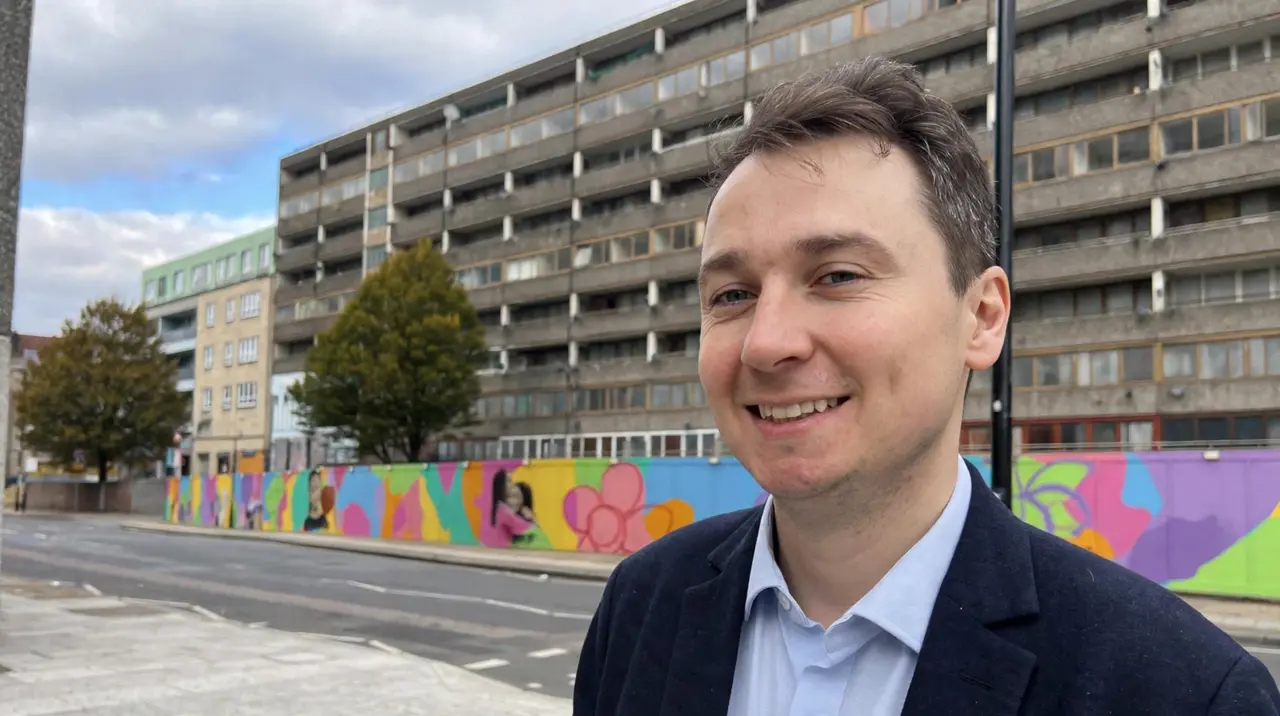
When Tony Blair became Prime Minister in 1997, he visited the Aylesbury Estate in south London, where rows of decaying apartment blocks were already in poor condition. The visit provided the setting for a speech in which he promised to address decay in inner cities, saying "there will be no forgotten people in the Britain I want to build".
Almost 30 years later, the majority of the estate looks much the same, with housing that has fallen further into disrepair and many properties now empty and abandoned. The question now is whether the area's fortunes are about to turn.
A Green and Liberal Democrat coalition is in charge of Southwark Council. Council leader James McAsh said the new administration would use the opportunity "to reset the conversation and talk to residents about what can be done on the Aylesbury".
Residents, campaigners and housing specialists joined a special summit last week to consider a series of options for the estate:
A complete regeneration scheme, demolishing every existing building and replacing it
A mix of regeneration and refurbishment, with some blocks upgraded and kept
Full refurbishment of the existing housing
No action beyond routine maintenance
McAsh warned that rebuilding the whole estate would have "huge implications for the climate emergency and it would be very disruptive" for those living there.
"Perhaps we should be looking at refurbishing the blocks, by taking the precious resource that we already have and turning them into homes that people deserve to live in."
Jean Barlett and Harry Matthews have each lived on the estate for over 50 years and speak for the area's Tenants and Residents Association (TRA).
Barlett now resides in a new apartment within an over 55's complex, constructed during the first phase of the site's regeneration. She expressed reservations about the new proposals, saying: "I think there are some things on the estate that needs demolition, but I also think there are some that could be retrofitted.
"The biggest worry I think is going to come at the end, and that's funding.
"Where are they getting the funding from?"
Matthew said the council needed to "hurry up", adding: "They need to remember that people live here and other people see this in a negative way."
Felicia Johnstone, a ward councillor and Labour member, said she was troubled by the coalition's new direction, particularly the prospect of renovating rather than demolishing certain buildings.
"We have limited structural surveys and we haven't seen a stock condition report of the full estate so it's hard to say if [retrofitting] is the best option.
"When we're talking about place making, it goes beyond homes. What will be there for young people and how are we serving the wider community?
"Those questions remain unanswered."
Funding was her second concern, and she added: "Right now there is limited funding for councils to do retrofitting."
An earlier redevelopment of the estate has been on hold for several years following the breakdown of the partnership between Southwark Council and Notting Hill Genesis (NHG).
Johnstone said: "We ended the partnership as they hadn't been delivering and there had been unacceptable delays."
In a statement NHG said: "Since the partnership between NHG and Southwark Council was established in 2014, we've met all our commitments to deliver new homes at each phase of the programme.
"There have been challenges beyond our control that have slowed progress, including the Covid-19 pandemic, a judicial review at the High Court and evolving building safety guidance, but our commitment to providing the high-quality homes so needed in the area remains unchanged."
Optimism at the beginning
At the time of its construction, the Aylesbury Estate was the largest public housing estate in Europe, and it was frequently presented as a symbol of post-war urban planning and social ambition.
The architect Hans Peter "Felix" Trenton designed it, and it was built between 1963 and 1977. The estate drew on modernist urban planning principles inspired by Le Corbusier, featuring standardised blocks, raised pedestrian walkways, and ample access to sunlight and ventilation.
It housed approximately 2,700 properties for 10,000 residents.
By the early 1980s, physical deterioration, crime and social problems had emerged, and the estate quickly gained a reputation as one of the most notorious in the UK.
A major regeneration programme started in the 2000s, first under the New Deal for Communities and later led by the Creation Trust and Notting Hill Genesis Housing.
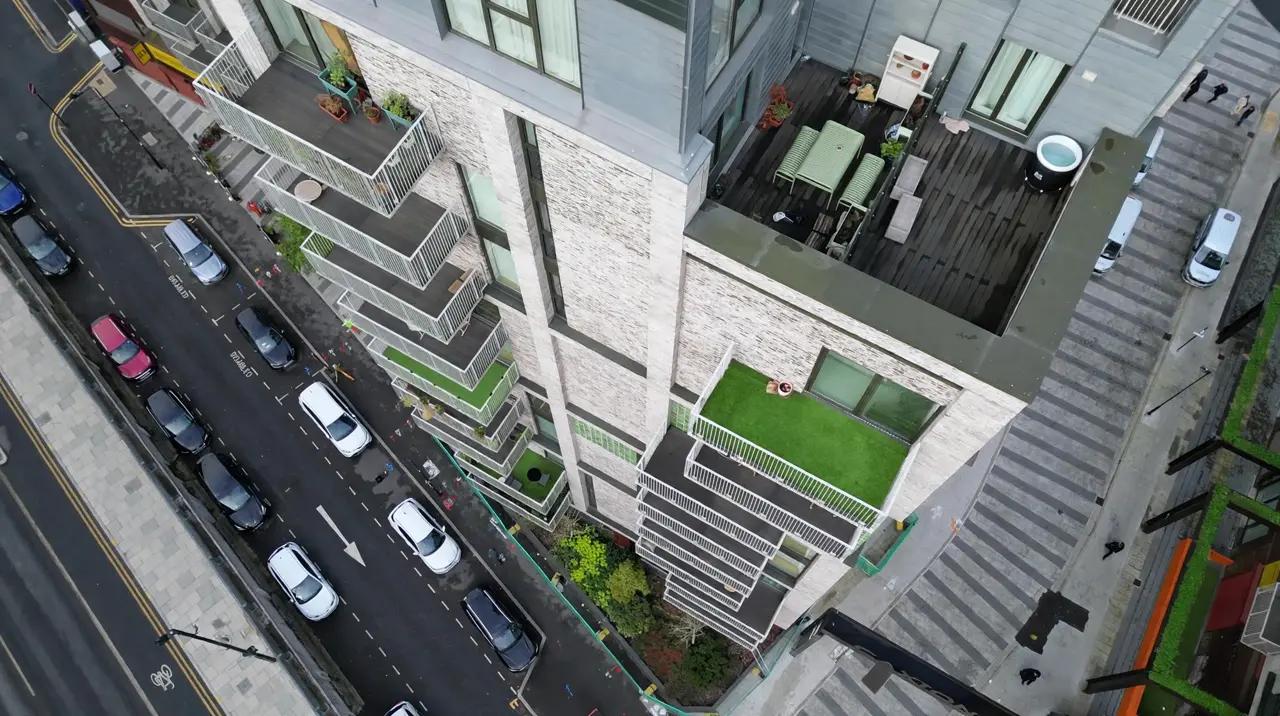
The scheme sought to replace the original estate with 3,500 new homes, bring back gardens and parks, and strengthen social infrastructure.
Residents of the Aylesbury will take the next step on the estate's future at a second summit in February 2027.
Progress has nevertheless been sluggish, with legal challenges, the displacement of residents and delays leaving much of the original estate standing as it does today.
Listen to the best of BBC Radio London on Sounds and follow BBC London on Facebook, X and Instagram. Send your story ideas to [email protected]
Source: